Sheet 1
- CBT
- EMDR
- Mindfulness
About Catherine
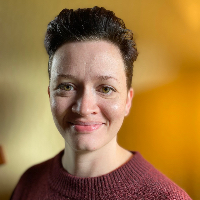
Licensed Clinical Social Worker (LCSW) in Oklahoma with four years of experience, Catherine Chapman helps people manage stress, anxiety, depression, trauma, and related concerns. She also addresses caregiver stress, first responder issues, grief, addictions, parenting strains, and career or life transitions.
Catherine uses straightforward, problem-focused methods in sessions. She draws on Cognitive Behavioral Therapy, EMDR, mindfulness, motivational interviewing, and solution-focused work. Sessions often look at current problems, build coping skills, and identify practical next steps.
Her background includes work in hospital and medical settings where she supported patients and families facing health crises. That experience shaped how she responds to grief, medical stress, and complicated emotions tied to illness or loss. She aims to help people understand reactions like anger and sadness and find ways to move forward.
Catherine describes her approach as strength-based and person-in-environment oriented. That means she looks at a person’s skills and the practical systems around them. EMDR is one of the trauma-focused tools she uses when appropriate.
In sessions she listens, helps clarify goals, and teaches skills you can use between meetings. The focus is on practical steps - symptom reduction, coping strategies, and problem-solving. People meet to talk through what’s happening now and make a plan for next steps.
Sheet 2
Therapeutic approaches used for online work
People should understand a few of the approaches Catherine uses. Cognitive Behavioral Therapy (CBT) focuses on the links between thoughts, feelings, and actions and teaches practical strategies to reduce anxiety and depressive symptoms. EMDR (Eye Movement Desensitization and Reprocessing) is a trauma-focused method that helps process distressing memories and their emotional impact. Mindfulness Therapy teaches simple attention and breathing practices to reduce reactivity and help ground someone during stressful moments. Choosing the right approach is collaborative. Catherine will talk with each person about goals, history, and preferences before suggesting methods. She adjusts strategies based on progress and what the person finds most useful. Confirm current session formats before booking, as specific online options are not listed here. Online work can make it easier to fit sessions into a busy week, allow shorter check-ins when that suits the schedule, and reduce travel time. It also lets people use techniques like mindfulness practices and CBT worksheets in the moment with the therapist’s guidance.Sheet 3
Areas of expertise
Primary focus
Also works with
Additional focus areas
Therapeutic approaches
Experience
4+ years
Listed in
Oklahoma, Oregon, North Dakota, Maine, Washington
Languages
English
Sheet 4
Frequently asked questions
What concerns does she address?
She supports people with stress, anxiety, depression, trauma and abuse, compassion fatigue, addictions, grief, eating concerns, self-esteem, bipolar, parenting stress, career and life changes, and related issues.
What therapeutic approaches does she use?
She uses Cognitive Behavioral Therapy, Eye Movement Desensitization and Reprocessing (EMDR), Mindfulness Therapy, Motivational Interviewing, and Solution-Focused Therapy.
How much clinical experience does she have?
She has four years of experience as a clinical social worker since earning her LCSW credential and has prior work supporting patients and families in hospital and medical settings.
Where is she licensed and based?
She is a Licensed Clinical Social Worker (LCSW) in Oklahoma and practices under that credential in the state.
Which languages are sessions offered in?
Sessions are offered in English.
Does she work with international clients?
She does not accept international clients at this time.
How does payment and cost work?
Cost varies with location and services. Sessions use a subscription model that can be canceled at any time.
How do I begin a first session?
Select the See online therapy options button, complete a short matching questionnaire, and schedule a first session.
Online talk therapy is not emergency care. If you are in danger, use the urgent help numbers.