Sheet 1
- Cognitive-behavioral ideas
- Brief therapy goals
- Values and meaning work
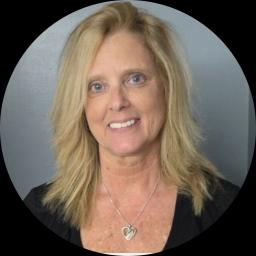
About Brenda
LPCC (Ohio) counselor with 25 years of experience who helps people with stress, anxiety, depression, relationship and family concerns using evidence-based techniques. Brenda Blake combines cognitive-behavioral ideas with brief therapy, humanistic, and existential perspectives to address daily problems and deeper meaning questions.
Brenda keeps sessions practical and conversational. She helps people name what’s most troubling, try small changes, and notice what works. Conversations often focus on coping skills, thinking patterns, and values that shape decisions. She draws on cognitive-behavioral strategies for thinking and behavior changes and brief therapy to set clear goals.
Her humanistic and existential influences guide discussions about purpose, responsibility, and personal values. This can be useful for people facing life transitions, grief, isolation, or questions about identity and meaning. Brenda also supports people coping with burnout, compassion fatigue, and challenges linked to addiction or mood instability.
She has long experience with concerns such as panic and social anxiety, body image and self-esteem, eating and sleeping problems, and intimacy-related issues. She also addresses communication problems, control issues, guilt and shame, and parenting strain as topics raised in sessions.
Sessions are conducted in English and she practices from Ohio as an OH LPCC. The therapist uses a subscription billing model that can be canceled at any time; costs vary by location. To begin, clients use the site’s matching questionnaire and schedule a first session.
Sheet 2
How evidence-based approaches work in online sessions
Brenda draws on cognitive-behavioral techniques to help people change unhelpful thoughts and behaviors. That often means identifying specific patterns, testing new ways of thinking, and practicing small behavioral experiments that can reduce anxiety or improve mood.She also uses a brief therapy orientation to set clear, short-term goals and track progress. Sessions can focus on one or two concrete goals so people see whether approaches are helping within a few meetings.
Finding the right approach is part of the work. The therapist will collaborate with each person to decide which techniques fit their goals and preferences, and adjust plans as needed. This helps keep sessions focused and practical.
The biography does not list specific session formats, so confirm current session options before booking. Online work can make it easier to fit therapy into a busy week, allow shorter check-ins when time is limited, and reduce travel time for people balancing family or job responsibilities.
Sheet 3
Areas of expertise
Primary focus
Also works with
Additional focus areas
Experience
25+ years
Listed in
Ohio
Languages
English
Sheet 4
Frequently asked questions
What kinds of concerns does she address?
She works with stress, anxiety, grief, depression, anger, addictions, and relationship or family concerns among other issues.
Which therapeutic approaches are used?
She uses cognitive-behavioral ideas alongside a brief therapy model and humanistic and existential perspectives to help with thinking patterns, goals, and values.
How much experience does the counselor have?
The profile notes 25 years of clinical experience working with a wide range of concerns.
What credential does she hold and where is she based?
She is an OH LPCC practicing in Ohio.
Which languages are supported?
Sessions are offered in English.
Can people outside the U.S. work with her?
International clients are not currently accepted.
How are sessions paid for and what do they cost?
Cost varies by location and sessions use a subscription that can be canceled at any time.
How do I get started with scheduling?
Select the See online therapy options button, complete the short matching questionnaire, and schedule a first session.
Online talk therapy is not emergency care. If you are in danger, use the urgent help numbers.