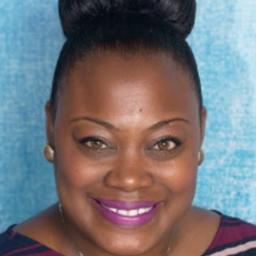
Sheet 1
- Client-centered therapy
- Cognitive behavioral techniques
- Mindfulness practices
About Ashley
Licensed Professional Counselor (LPC) in South Carolina with 22 years of experience. Ashley Murphy focuses on stress, anxiety, family concerns, trauma and abuse, grief, depression, relationship and parenting challenges, anger, self-esteem, life changes, coaching, and ADHD. She practices client-centered therapy alongside cognitive behavioral therapy, mindfulness, motivational interviewing, solution-focused methods, and trauma-focused work.
Ashley uses a client-centered lens that treats the person as the expert in their life. She guides people through practical steps and conversations rather than lecturing. Sessions often focus on identifying patterns, testing small changes, and building everyday skills.
Her background includes work in community settings, schools, and telehealth. She holds a Master of Arts in Mental Health Counseling from Webster University and is licensed in South Carolina as an LPC. In 2021 she was recognized as School Mental Health Counselor of the Year for her school-based work.
When a parent or individual contacts her, the first sessions typically clarify immediate concerns and workable goals. Ashley combines talking, skill-building, and brief exercises that fit into daily life. She addresses trauma and related symptoms by pairing client-centered care with trauma-focused and solution-oriented techniques.
People can expect straightforward collaboration about what to try between sessions. She helps with practical parenting questions, blended-family dynamics, fatherhood issues, and coping strategies for panic, compulsions, impulsivity, and self-harm urges.
Her approach also supports those dealing with domestic violence effects, abandonment wounds, and post-traumatic stress. The work blends short-term solutions with deeper trauma processing when appropriate, paced by each persons needs.
Sheet 2
How her approaches translate to online sessions
Client-centered therapy puts the client's priorities first. Online sessions follow that same idea by asking what matters most and shaping conversations around those goals. This approach helps with parenting problems, relationship strain, and figuring out next steps after trauma.Cognitive behavioral therapy (CBT) focuses on spotting unhelpful thoughts and testing small behavioral changes. In remote meetings, CBT often uses brief between-session tasks and concrete tools to change patterns linked to anxiety, panic, compulsions, and low mood.
Mindfulness practices add simple awareness skills to reduce reactivity and manage stress. These can be taught in short exercises during a session and practiced between meetings to support attention and emotional regulation.
Finding the right approach is part of the work. The therapist will collaborate with each person to choose which methods to try based on goals, symptoms, and preferences. Plans can shift as needs change and progress is reviewed together.
Session formats are not listed in the biography, so confirm current options before booking. Many people find remote appointments helpful for fitting therapy into busy schedules, shorter check-ins between obligations, or avoiding travel time. Discuss practical constraints and preferences up front to plan appointments that fit everyday life.
Sheet 3
Areas of expertise
Primary focus
Also works with
Additional focus areas
Therapeutic approaches
Experience
22+ years
Listed in
South Carolina
Languages
English
Sheet 4
Frequently asked questions
What issues does she address?
She works with stress, anxiety, grief, depression, relationship and parenting concerns, trauma and abuse, ADHD, anger, and coping with life changes. Additional focuses include abandonment, blended family issues, domestic violence, and self-harm.
What therapeutic approaches does she use?
Her work uses client-centered therapy as the base, combined with cognitive behavioral therapy, mindfulness, motivational interviewing, solution-focused methods, and trauma-focused work. These approaches guide practical skills and conversations in sessions.
How much experience does she have?
She brings 22 years of experience in mental health settings, including community programs, schools, and telehealth work.
What are her credentials and where is she based?
She holds a Master of Arts in Mental Health Counseling and is a Licensed Professional Counselor (LPC) in South Carolina. She has experience working in schools and community settings.
Which languages are supported?
Sessions are offered in English.
Can people outside the United States work with her?
International clients are not accepted. Sessions are provided to those within the appropriate jurisdiction for her South Carolina LPC license.
How are sessions billed?
Cost varies with location and sessions use a subscription that can be canceled at any time. Specific pricing depends on the clients situation and local rates.
How do I begin working with her?
Begin by selecting the See online therapy options button, completing a short matching questionnaire, and scheduling a first session. That process starts the match and booking steps.
Online talk therapy is not emergency care. If you are in danger, use the urgent help numbers.