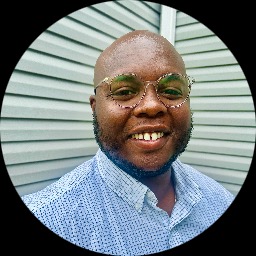
Sheet 1
- Cognitive Behavioral Therapy
- Motivational Interviewing
- Solution-focused work
About Wesley
LCSW in North Carolina with four years of clinical experience, Wesley Williams works with adults on stress, anxiety, addictions, self-esteem, and life changes. He uses Cognitive Behavioral Therapy, Existential Therapy, Motivational Interviewing, and Solution-Focused Therapy to help people tackle practical problems and build skills.
Wesley helps people who are managing grief, trauma and abuse, compassion fatigue, and depression. He also addresses relationship and intimacy-related issues, parenting strains, anger, career concerns, and challenges around communication, guilt, shame, and isolation. Sessions aim to identify clear goals and practical steps rather than vague promises.
His approach mixes short-term, goal-oriented techniques with deeper questions about meaning and values. Cognitive Behavioral Therapy is used to spot unhelpful thinking patterns and try new behaviors. Motivational Interviewing supports shifts in readiness for change, and solution-focused work emphasizes concrete next steps.
Wesley holds a Master of Social Work from Tulane University and completed undergraduate studies at Fayetteville State University. The biography states he is a North Carolina LCSW. He offers services in English and does not accept international clients at this time.
Costs vary by location and sessions use a subscription that can be canceled at any time. To begin, choose the See online therapy options button, fill out a short matching questionnaire, and schedule a first session. Confirm current session formats before booking if you need a specific meeting type.
Wesley aims to help people build practical tools, clarify goals, and make changes that fit their daily life.
Sheet 2
How Wesley integrates CBT and motivational work in online sessions
Wesley draws on Cognitive Behavioral Therapy to help people identify unhelpful thoughts and try different behaviors. CBT sessions often focus on specific problems, practical exercises, and small behavioral experiments to reduce anxiety or change habits.He also uses Motivational Interviewing to support people who are unsure about change. That approach centers on exploring readiness, strengthening personal reasons for change, and setting realistic next steps. Existential Therapy is used at times to talk about meaning, values, and how life choices fit with what matters to someone.
Choosing the right approach is collaborative. Wesley will discuss different methods and help decide which fits your needs, goals, and preferences. The first sessions typically clarify goals and agree on which techniques to try together.
The biography does not list specific online formats. Please confirm the session types offered before booking if you need video, phone, or another format. Online sessions can make it easier to fit appointments into busy schedules, allow shorter check-ins when needed, and reduce travel time so therapy can be squeezed into a workday or after other responsibilities.
Sheet 3
Areas of expertise
Also works with
Additional focus areas
Therapeutic approaches
Experience
4+ years
Listed in
North Carolina
Languages
English
Sheet 4
Frequently asked questions
What concerns does he address?
He works with stress, anxiety, addictions, self-esteem, coping with life changes, compassion fatigue, relationship and family issues, trauma and abuse, grief, intimacy-related issues, parenting, anger, career, depression, and coaching. Additional focuses include communication problems, forgiveness, guilt and shame, isolation, life purpose, self-love, and social anxiety.
What therapeutic approaches does he use?
He uses Cognitive Behavioral Therapy, Existential Therapy, Motivational Interviewing, and Solution-Focused Therapy. These approaches guide goal-setting, behavior change, and conversations about meaning and motivation.
How much clinical experience does he have?
He has four years of clinical experience. His training includes a Master of Social Work from Tulane University and undergraduate studies at Fayetteville State University.
What are his credentials and location?
He is an LCSW licensed in North Carolina. His practice is based in North Carolina.
Which languages are supported?
Sessions are offered in English. International clients are not currently accepted.
What session formats are available?
The original biography does not specify session formats. Confirm current session options before booking to ensure the meeting type you prefer is offered.
How does pricing work?
Cost varies with location and sessions use a subscription model that can be canceled at any time. Exact fees depend on your location and the chosen subscription plan.
How do I begin working with him?
Start by selecting the See online therapy options button, completing a short matching questionnaire, and scheduling a first session. That process connects you to the initial intake steps.
Online talk therapy is not emergency care. If you are in danger, use the urgent help numbers.