Sheet 1
- ACT and CBT
- Gottman communication
- Veteran focused concerns
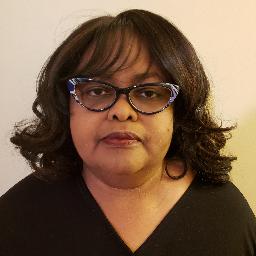
About Tracey
LCSW in North Carolina with 10 years of experience, Tracey Boubacar focuses on relationship concerns, parenting challenges, mood disorders, stress, and addiction-related issues. She works with people dealing with anxiety, depression, bipolar symptoms, anger, low self-esteem, and career stress. Tracey also addresses LGBT issues, compassion fatigue, and the effects of prejudice and discrimination.
Tracey emphasizes clear, practical work in sessions. She uses Acceptance and Commitment Therapy, Cognitive Behavioral Therapy, Dialectical Behavior Therapy, the Gottman Method, Client-Centered Therapy, and Motivational Interviewing. Conversations aim to identify goals, teach skills, and build steps that clients can use between sessions.
She pays attention to cultural background and military experience when those factors are part of a person's story. That perspective informs how she talks about infidelity, jealousy, veteran and armed forces issues, and multicultural stressors. Sessions look at both feelings and behaviors rather than only ideas.
Tracey frames therapy as collaborative problem solving. She helps people sort priorities, make practical changes, and test small experiments to see what helps. The work can include skill practice, values clarification, and communication techniques drawn from the Gottman method.
Her approach mixes skill teaching and reflective conversation. People who want direct feedback, structured tools, and attention to cultural or military-related concerns may find this helpful. To begin, readers should confirm current session options before booking.
Sheet 2
How her approaches translate to online work
Acceptance and Commitment Therapy (ACT) focuses on clarifying values and taking small, committed actions. It helps people who are stuck in avoidance or who want to reconnect with what matters day to day.Cognitive Behavioral Therapy (CBT) identifies unhelpful thinking and behavior patterns and teaches practical skills to change them. This approach is often used for anxiety, depression, and stress-related problems.
The therapist treats finding the right approach as a team effort. She will work with the client to pick methods that match current needs, goals, and preferences and adjust those choices over time based on what is helpful.
Confirm the specific session formats offered before booking, because the biography did not list them. Many people find online sessions easier to fit around work, school, and caregiving. Phone or shorter check-ins can be useful when bandwidth or camera use is limited, while video sessions support role play and observing body language. Online work lets sessions focus on skill practice, values-based tasks, and communication exercises that can be tried between appointments.
Sheet 3
Areas of expertise
Primary focus
Also works with
Additional focus areas
Therapeutic approaches
Experience
10+ years
Listed in
North Carolina
Languages
English
Sheet 4
Frequently asked questions
What issues does she address?
She works with relationship problems, parenting, anger, self-esteem, depression, stress, anxiety, addictions, and bipolar concerns. Additional focus includes infidelity, jealousy, veteran and armed forces issues, and multicultural stress.
What methods does she use in sessions?
She uses Acceptance and Commitment Therapy, Cognitive Behavioral Therapy, Dialectical Behavior Therapy, the Gottman Method, Client-Centered Therapy, and Motivational Interviewing. Sessions combine skills training and reflective conversation.
How long has she practiced?
She has ten years of professional experience as a licensed clinical social worker. That experience covers mood, relationship, and multicultural concerns.
What credential and location does she hold?
She is an LCSW licensed in North Carolina. Her practice is based in North Carolina.
Which languages are supported?
Sessions are offered in English. International clients are accepted.
What session formats are offered?
The original biography did not specify session formats. Confirm current session options before booking so you know whether sessions are by video, phone, or in person.
How does payment or cost work?
Cost varies with location and is managed through a subscription model that can be canceled at any time. Check the subscription details for exact pricing.
How do I get started?
Select the See online therapy options button, complete a short matching questionnaire, and schedule a first session. That process begins the intake and scheduling steps.
Online talk therapy is not emergency care. If you are in danger, use the urgent help numbers.