Sheet 1
- Client-Centered Therapy
- Trauma-Focused Therapy
- Supports LGBT concerns
About Tonya
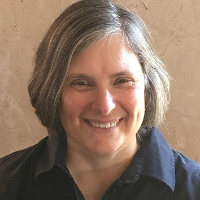
LPCC, LMHP with 10 years of experience in New Mexico. Tonya Walker focuses on stress, anxiety, trauma, depression, and related concerns. She works with people across sexual orientations and gender identities and accepts international clients. Tonya uses client-centered and trauma-focused approaches in her work.
Tonya started with a Bachelor of Arts in Psychology and Russian from the University of Oregon and completed a Master of Arts in Counseling at the University of New Mexico. She holds LPCC in New Mexico and LMHP in Nebraska. Over a decade she has supported people dealing with trauma, PTSD, domestic violence, sexual assault, grief, and relationship strain.
Her sessions begin by listening to what matters most to the person seeking help. She emphasizes the person-centered core of therapy - understanding the clients perspective and goals. From there she draws on trauma-focused methods when past harm continues to affect daily life.
Tonya often addresses practical problems such as sleep, stress management, and coping with life changes. She also works with issues around identity, intimacy, self-esteem, and workplace or career challenges. For someone recovering from assault or domestic violence she focuses on safety, pacing, and processing trauma at a manageable rate.
She describes counseling as collaborative. Sessions focus on identifying what is and isn't working and on steps the person can try between meetings. People who prefer a therapist who centers their perspective and brings trauma-aware techniques may find this approach helpful.
Sheet 2
How her approaches guide online work
Client-Centered Therapy focuses on the persons own perspective and goals. In this approach the therapist listens, reflects, and helps the client clarify what they want to change. It is useful for decisions, self-esteem work, and coping with life transitions.Trauma-Focused Therapy targets reactions that stem from past harm. It involves careful pacing, grounding techniques, and structured processing when the person is ready. This approach is commonly used for PTSD, sexual assault, domestic violence, and other trauma-related symptoms.
Choosing the right approach is a collaborative process. The therapist and client review needs, goals, and preferences and then try methods that fit. Adjustments are made over time based on what helps most.
Confirm the specific session formats before booking, as none are listed in the biography. Online sessions can make it easier to fit therapy into a busy schedule, reduce travel time, and permit shorter check-ins when needed. They can also allow work to continue across locations for international clients, subject to licensing and practical arrangements.
Sheet 3
Areas of expertise
Also works with
Additional focus areas
Therapeutic approaches
Experience
10+ years
Listed in
Nebraska, New Mexico
Languages
English
Sheet 4
Frequently asked questions
What concerns does she address?
She works with stress, anxiety, trauma and abuse, depression, grief, relationship and intimacy-related issues, sleep problems, self-esteem, career challenges, bipolar, and ADHD. Additional focus areas include domestic violence, sexual assault, first responder issues, immigration and multicultural concerns.
What is her therapeutic style?
Her style begins with client-centered therapy, focusing on the persons perspective and goals. She also uses trauma-focused methods when processing past harm is needed.
How much experience does she have?
She has 10 years of clinical experience working with a range of concerns related to trauma, mood, and relationship stressors.
What credentials and where is she licensed?
She holds LPCC and LMHP credentials and is licensed as an LPCC in New Mexico and as an LMHP in Nebraska. She is based in New Mexico.
Which languages are supported?
Sessions are offered in English.
Can people outside the US work with her?
She accepts international clients. Confirm any cross-border details before scheduling to ensure they meet your needs.
How are sessions scheduled and paid for?
Cost varies with location and sessions use a subscription that can be canceled at any time. Confirm rates for your region before booking.
How do I begin a first session?
Select the See online therapy options button, complete a short matching questionnaire, and schedule a first session through the platform.
Online talk therapy is not emergency care. If you are in danger, use the urgent help numbers.