Sheet 1
- Cognitive Behavioral Therapy
- Mindfulness Therapy
- Grief and career changes
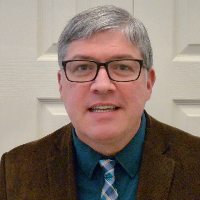
About Timothy
Licensed Professional Counselor (LPC) in Texas with 24 years of experience, Dr. Timothy White helps people facing stress, anxiety, depression, trauma, and life transitions. He works with concerns that include grief, career questions, addictions, sleep problems, parenting strain, anger, self-esteem, bipolar disorder, ADHD, and LGBT-related issues. Sessions use practical talk and skill-building to address what is getting in the way of daily functioning.
Dr. White emphasizes straightforward, evidence-informed methods. He uses Cognitive Behavioral Therapy to identify unhelpful thinking and behavior patterns and Mindfulness Therapy to build attention and reduce reactivity. The goal is to give clear tools a person can use between sessions, not only discussion.
He has long experience helping people adjust after major changes such as rehabilitation, adoption and foster care transitions, chronic illness, or career shifts. He also has extensive work supporting people with sensory impairments, including those who are hearing or visually impaired, and with chronic pain or disability challenges.
In sessions he focuses on practical steps: clarifying immediate problems, teaching coping skills, and setting small, measurable goals. He pays attention to work-related stresses and workplace issues alongside personal concerns.
Dr. White conducts sessions in English from his Texas practice. His LPC credential is shown as LPC. To begin, people complete a short matching questionnaire and schedule a first session through the online options button.
Sheet 2
How CBT and Mindfulness inform remote sessions
Cognitive Behavioral Therapy (CBT) focuses on identifying unhelpful thoughts and behaviors and replacing them with practical alternatives. In remote work that often looks like setting clear, short-term goals, practicing new skills between sessions, and checking progress together. Mindfulness Therapy trains attention and present-moment noticing to reduce reactivity and ease distress; it usually involves brief attention practices and learning to observe strong emotions without immediate action.Finding the best approach happens together. The therapist will discuss a person's needs, goals, and preferences and suggest whether CBT techniques, mindfulness practices, or a mix will be most useful. That plan can be adjusted over time based on what is helping and what feels workable for day-to-day life.
Session formats are not specified in the biography, so confirm current options before booking. Online work can make it easier to fit therapy into a busy schedule, allow shorter check-ins when needed, and reduce travel time. Remote sessions can also support people who are managing chronic illness, rehabilitation, or workplace demands by offering flexibility in when and how they meet without promising a particular format.
Sheet 3
Areas of expertise
Primary focus
Also works with
Additional focus areas
Therapeutic approaches
Experience
24+ years
Listed in
Texas
Languages
English
Sheet 4
Frequently asked questions
What problems does he address?
He works with stress, anxiety, depression, trauma and related issues such as addictions, grief, and sleep problems.
What approach does he use in sessions?
He uses Cognitive Behavioral Therapy and Mindfulness Therapy to teach concrete skills and change unhelpful patterns.
How much clinical experience does he have?
He has 24 years of experience in mental health practice.
What credential and location are listed?
He is listed as an LPC in the state of Texas.
Which languages are supported?
Sessions are offered in English.
Can international clients work with him?
International clients are not currently accepted.
How are sessions structured and paid for?
Cost varies with location and sessions use a subscription that can be canceled at any time.
How do I begin working with him?
Use the See online therapy options button, complete a short matching questionnaire, and schedule a first session.
Online talk therapy is not emergency care. If you are in danger, use the urgent help numbers.