Sheet 1
- Stress and anxiety
- Relationships and parenting
- CBT and client-centered
About Shironda
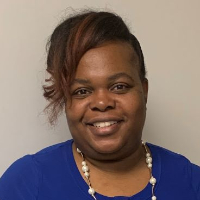
Licensed Clinical Mental Health Counselor (LCMHC) in North Carolina with 21 years of counseling experience, Shironda Bryant helps people facing stress, anxiety, depression, relationship and parenting concerns. She works with issues such as anger, ADHD, trauma and abuse, intimacy-related difficulties, and self-esteem problems. She also focuses on adoption and foster care, blended family challenges, caregiver strain, and young adult concerns.
Shironda began counseling in 2005 and has been licensed in North Carolina since 2012. Her career has included work in prisons, courts, schools, hospitals, and on an army base. Those settings shaped a straightforward, practice-oriented approach to common family and relationship problems.
She uses Client-Centered Therapy to center a person's own goals and perspectives during sessions. Cognitive Behavioral Therapy (CBT) helps when thoughts and behaviors are getting in the way of everyday functioning. Existential Therapy is part of her approach when people need to consider meaning, responsibility, and life choices.
Motivational Interviewing and Solution-Focused Therapy appear in sessions when the aim is to increase motivation or set practical, short-term goals. Shironda adapts these methods to the concerns people bring, and she aims to keep sessions practical and focused on clear next steps.
Sessions are conducted in English and follow the state practice rules for a North Carolina LCMHC. Fees vary by location and use a subscription that can be canceled at any time. To start, prospective clients are asked to use the site’s matching process and schedule an initial appointment.
Sheet 2
How her approaches work in online sessions
Shironda commonly uses Client-Centered Therapy and Cognitive Behavioral Therapy (CBT) in her work. Client-Centered Therapy focuses on the person’s goals and perspectives, helping them guide the conversation and set priorities. CBT looks at the links between thoughts, feelings, and behaviors and is practical for anxiety, depression, and habit-related problems.She also draws on Solution-Focused Therapy when people want short-term, goal-oriented work, and Motivational Interviewing to increase readiness for change. These approaches are explained and chosen together. The therapist collaborates with each person to decide which methods fit their needs, goals, and preferences rather than imposing a single method.
Session format details are not listed in the biography, so confirm current session options before booking. Online work can make it easier to fit counseling into a busy schedule, allow shorter check-ins when needed, and reduce travel time. Discussing how sessions will be structured and what frequency suits everyday life is part of the first scheduling step.
Sheet 3
Areas of expertise
Primary focus
Also works with
Additional focus areas
Therapeutic approaches
Experience
21+ years
Listed in
North Carolina
Languages
English
Sheet 4
Frequently asked questions
What kinds of problems does she work with?
She works with stress, anxiety, depression, relationship issues, parenting concerns, anger, ADHD, trauma and intimacy-related problems.
What therapeutic approaches does she use?
Her work draws on Client-Centered Therapy, Cognitive Behavioral Therapy (CBT), Existential Therapy, Motivational Interviewing, and Solution-Focused Therapy.
How much experience does she have?
She has been providing counseling since 2005 and has 21 years of overall experience, with North Carolina licensure since 2012.
What credential and location are listed?
She is an LCMHC (Licensed Clinical Mental Health Counselor) licensed in North Carolina.
Which languages are supported?
Sessions are offered in English.
Can international clients work with her?
International clients are not currently accepted.
How much do sessions cost?
Cost varies with location and sessions use a subscription that can be canceled at any time.
How do I begin working with her?
Use the site’s See online therapy options button, complete the short matching questionnaire, and then schedule a first session.
Online talk therapy is not emergency care. If you are in danger, use the urgent help numbers.