Sheet 1
- Client-Centered Therapy
- Existential Therapy
- Solution-Focused Therapy
About Scott
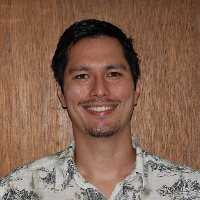
LMFT Scott Kilousky has four years of clinical experience and works with adults on issues such as addiction, depression, anxiety, relationship difficulties, and trauma. He practices in Hawaii and conducts sessions in English. Scott uses Client-Centered Therapy, Existential Therapy, and Solution-Focused Therapy to guide his work.
Scott frames problems around understanding and acceptance. He asks clients to look at how life events have shaped their current struggles. Sessions are collaborative and non-directive. He draws on harm reduction ideas when substance use is involved.
In practice Scott helps people talk through grief, anger, and feelings of isolation. He also supports those facing intimacy issues, communication problems, and life transitions. Practical problem-solving is part of many meetings, alongside deeper reflection about meaning and values.
Scott uses person-centered techniques to follow what matters most to each client. Existential ideas invite clients to consider purpose, choice, and responsibility. Solution-focused tools help set small, achievable goals and measure progress.
The first sessions tend to map current problems, goals, and coping strategies. Later sessions mix reflection and action steps based on what the client prefers. To begin, clients complete a short matching questionnaire and schedule an initial meeting through the site.
Sheet 2
How his approaches guide online work
Client-Centered Therapy centers the session on the client's perspective. The therapist listens without directing the conversation and follows what the client brings up. This approach supports people who need time to clarify feelings and priorities.Existential Therapy focuses on meaning, choice, and responsibility. It helps people facing life transitions, questions about purpose, or grief by encouraging reflection on values and options. Solution-Focused Therapy narrows in on small usable steps and goals to create measurable change in everyday life.
Finding the right mix of approaches is part of the work. Scott collaborates with each person to decide which methods fit their needs and goals. That choice is reviewed and adjusted as progress is made.
Session formats are not listed in the provided biography, so confirm current session options before booking. Online sessions can make it easier to fit therapy into a busy schedule, reduce travel time, and allow briefer check-ins when needed. Licensed professionals commonly use various session lengths and rhythms to match work, family, and other commitments, and Scott is likely to discuss which pattern will work best during the initial match and intake.
Sheet 3
Areas of expertise
Primary focus
Also works with
Additional focus areas
Therapeutic approaches
Experience
4+ years
Listed in
Hawaii
Languages
English
Sheet 4
Frequently asked questions
What concerns does he address?
He works with issues including addictions, depression, anxiety, trauma and abuse, relationship and intimacy-related problems, bipolar disorder, ADHD, grief, anger, and stress.
How would you describe his therapeutic style?
He uses a non-directive, collaborative approach drawing on Client-Centered, Existential, and Solution-Focused therapies.
How much clinical experience does he have?
Scott has four years of clinical experience as an LMFT practicing in Hawaii.
What are his credentials and location?
He holds the LMFT credential and practices in Hawaii.
Which languages are supported?
Sessions are offered in English.
Can international clients work with him?
International clients are not accepted at this time.
How are sessions scheduled and what does cost look like?
Cost varies with location and sessions use a subscription that can be canceled at any time.
What should I do to get started?
Choose the See online therapy options button, complete the short matching questionnaire, and schedule a first session.
Online talk therapy is not emergency care. If you are in danger, use the urgent help numbers.