Sheet 1
- ACT and CBT methods
- Art and writing options
- Caregiver and aging focus
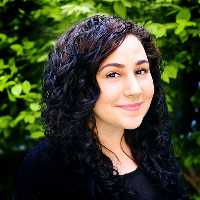
About Sarah
Sarah Peters is a Licensed Clinical Professional Counselor (LCPC) in Illinois with 11 years of clinical experience. She helps people who are dealing with stress, anxiety, self-esteem issues, grief, relationship and family concerns, compassion fatigue, and life transitions. Sessions include talk-based work and optional art or reflective writing methods when clients want them.
Sarah uses a mix of approaches including Acceptance and Commitment Therapy (ACT), Cognitive Behavioral Therapy (CBT), Dialectical Behavior Therapy (DBT), Client-Centered Therapy, and Motivational Interviewing. She focuses on practical skills such as emotion regulation, coping strategies for change, and managing social anxiety or seasonal mood shifts. Sessions move at a steady pace and emphasize skills people can use between meetings.
People who are caregivers or who face aging and geriatric concerns may find her background relevant. She also has experience with intellectual disability and caregiver stress. Sarah integrates short exercises and writing or art prompts when those tools fit the issue being worked on.
Her style keeps conversations direct and concrete. She listens for specific goals and helps set small, measurable steps toward them. For people coping with grief or burnout, sessions include pacing and self-care strategies that can be practiced in daily life.
Clients can expect clear explanations of methods and collaborative planning. Practical tools, repeated practice, and periodic check-ins on progress are central to the work. To start, the first meeting usually focuses on current concerns and an initial plan for next steps.
Sheet 2
How her approaches translate to online work
Acceptance and Commitment Therapy (ACT) focuses on clarifying values and learning small actions that match those values. It helps people tolerate difficult thoughts and move toward meaningful goals. Cognitive Behavioral Therapy (CBT) breaks problems into thoughts, behaviors, and feelings, then teaches practical skills to change unhelpful patterns. CBT is commonly used for anxiety, stress, and low self-esteem. Dialectical Behavior Therapy (DBT) emphasizes emotion regulation and distress tolerance skills. These skills are useful for strong emotions, burnout, and managing interpersonal stress.Figuring out which approach fits best is collaborative. The therapist will review your concerns, try an approach, and adjust based on how well the methods meet your goals and preferences. Sessions often mix methods so the work stays practical and focused on measurable steps.
Confirm the specific session formats available before booking, since those details are not listed in the biography. Online work can make it easier to fit regular sessions into a busy schedule and to practice skills between meetings. For example, video sessions allow face-to-face discussion and skills coaching, while phone sessions can be a shorter check-in when bandwidth or camera use is not ideal. The emphasis is on making therapy work with daily life rather than on a single method.
Sheet 3
Areas of expertise
Also works with
Additional focus areas
Therapeutic approaches
Experience
11+ years
Listed in
Illinois
Languages
English
Sheet 4
Frequently asked questions
What concerns does she address?
She works with stress, anxiety, low self-esteem, grief, relationship and family concerns, compassion fatigue, and coping with life changes. Additional focus areas include aging and geriatric issues, caregiver stress, intellectual disability, seasonal affective disorder, and social anxiety.
What therapeutic approaches does she use?
Her methods include Acceptance and Commitment Therapy, Cognitive Behavioral Therapy, Dialectical Behavior Therapy, Client-Centered Therapy, and Motivational Interviewing. She combines talk-based work with exercises and occasional art or writing prompts.
How much experience does she have?
She has 11 years of clinical experience working with individuals, groups, and direct care staff. That background includes work with caregivers and people experiencing burnout.
What are her credentials and location?
She is a Licensed Clinical Professional Counselor (LCPC) licensed in Illinois. Her practice is based in Illinois.
Which languages are supported?
Sessions are offered in English. International clients are not currently accepted.
What session formats does she offer?
Confirm current session options before booking, as formats are not specified in the biography. The platform’s matching step will show available formats when scheduling.
How is cost handled?
Cost varies with location and sessions use a subscription that can be canceled at any time. Specific pricing details are provided during the sign-up process.
How do I begin working with her?
Start by selecting the See online therapy options button, completing a short matching questionnaire, and then scheduling a first session. The questionnaire and scheduling tools will guide next steps.
Online talk therapy is not emergency care. If you are in danger, use the urgent help numbers.