Sheet 1
- Client-Centred Therapy
- Solution-Focused work
- Young adult issues
About Pamela
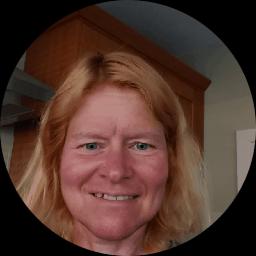
Counsellor (BACP), 23 years' experience. Pamela Harris helps with stress, anxiety, LGBT concerns, trauma and abuse, grief, and depression. She works with adults and young adults on issues that affect everyday life. Sessions are practical and conversational, focusing on what the person wants to change.
Pamela trained as a counsellor and holds BACP accreditation. She spent 15 years working in schools, so she has substantial experience with young people's issues and family of origin concerns. Over two decades she has supported people coping with loss, domestic violence, and post-traumatic stress.
Her approach draws on Client-Centred Therapy and Solution-Focused Therapy. That means she listens carefully and helps people identify specific, manageable steps forward. Conversations aim to clarify strengths and build on small changes that add up over time.
Pamela also works with attachment matters, communication problems, isolation and self-harm, and she supports people exploring sexuality and women’s issues. She pays attention to how past relationships and early family life shape current patterns.
Practical needs are part of the work. Sessions look at coping strategies for anxiety and low mood, ways to manage grief, and ways to resolve communication difficulties. Pamela encourages direct, respectful dialogue and an agreed plan for each session.
Sheet 2
How her approaches work for online sessions
Client-Centred Therapy focuses on listening and understanding the person’s perspective. The therapist reflects what she hears and follows the client's lead to help clarify feelings and priorities. This approach suits people who need time to explore emotions and make sense of their experiences.Solution-Focused Therapy aims at clear, short-term goals. Sessions concentrate on practical steps and small measurable changes. This method is useful when someone wants focused work on particular problems like anxiety, communication issues, or coping with loss.
Finding the right approach is part of the work together. Pamela will review needs, goals and preferences with the person and suggest which method or combination may help most. That decision is collaborative and can change as progress is made.
The original biography does not list specific session formats. Please confirm available formats before booking. Online sessions can make it easier to fit therapy around work and family commitments, reduce travel time, and allow for shorter check-ins when needed. Registered or accredited professionals often use remote sessions to keep continuity of care when attending in person is difficult.
Sheet 3
Areas of expertise
Primary focus
Additional focus areas
Therapeutic approaches
Experience
23+ years
Listed in
United Kingdom
Languages
English
Sheet 4
Frequently asked questions
What concerns does she help with?
She helps with stress, anxiety, LGBT issues, trauma and abuse, grief, and depression. Additional focus areas include attachment, communication problems, domestic violence, self-harm, and sexuality.
How does she approach therapy?
Her work uses Client-Centred Therapy and Solution-Focused Therapy. She listens first, then helps set small, concrete goals to work towards.
How much experience does she have?
She has 23 years of professional experience. That includes 15 years working in schools with young people.
What are her credentials and location?
She is accredited by the British Association for Counselling and Psychotherapy (BACP) and practises in the United Kingdom.
Which languages are supported?
Sessions are offered in English. International clients are accepted.
What session formats are available?
The original biography does not specify session formats. Please confirm current session options before booking.
How much does therapy cost?
Cost varies with location and sessions use a subscription that can be cancelled at any time.
How do I begin working with her?
Choose the See online therapy options button, complete a short matching questionnaire, and schedule a first session.
Online talk therapy is not emergency care. If you are in danger, use the urgent help numbers.