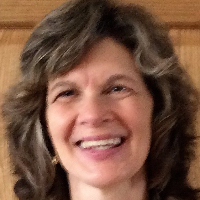
Sheet 1
- Cognitive Behavioral Therapy
- Dialectical Behavior Therapy
- Mindfulness skills
About Olivia
LICSW in West Virginia with 33 years of experience, Olivia Shuttleworth focuses on stress, anxiety, trauma, grief, eating concerns, depression, and related issues. She describes her practice as practical and skill-based, drawing on Cognitive Behavioral Therapy, Dialectical Behavior Therapy, Motivational Interviewing, Mindfulness, and trauma-focused work. Sessions emphasize clear strategies and steady support for people facing overwhelming life events.
Olivia began as a social worker in 1985 and moved into therapy in 1989. She has practiced in inpatient psychiatric settings and outpatient programs. Her background includes work in VA day hospital and rehabilitation programs, hospice settings, and roles with emergency child shelter care and child protective services.
She has experience with a very wide age range, from children to older adults, and with varied concerns such as eating disorders, severe mental health diagnoses, trauma, depression, and anxiety. Her work with veterans and hospice patients informs how she approaches loss, grief, and end-of-life issues.
In clinical work she uses concrete tools from CBT to identify unhelpful thinking patterns and from DBT to teach emotion regulation and distress tolerance. Motivational Interviewing is part of her approach when strengthening motivation for change. Mindfulness skills are used to increase present-moment awareness and reduce reactivity.
Olivia stresses that support is a key element of recovery. She offers formal therapeutic support alongside practical skills training. People who want clear, straightforward approaches to managing symptoms and life changes may find this style helpful.
Sheet 2
How these approaches are used in online sessions
CBT focuses on identifying and changing unhelpful thoughts and behaviors. In practice this usually means tracking patterns, trying small experiments, and practicing new ways of responding to stress and mood changes.DBT teaches concrete skills for managing intense emotions and improving distress tolerance. It includes exercises for emotional regulation, interpersonal effectiveness, and reducing impulsive reactions.
Trauma-Focused Therapy centers on processing traumatic events and reducing their ongoing impact. Work can include grounding techniques, pacing exposure to difficult memories, and building coping strategies to manage triggers.
Choosing the right approach is collaborative. The therapist helps figure out which methods fit the client's goals, symptoms, and preferences. Plans may change as progress is made or new needs appear.
Confirm current session formats before booking, since specific online options are not listed here. Online work can make it easier to fit sessions into a busy schedule, allow shorter check-ins when needed, or avoid travel time. Many people find that learning skills between sessions and practicing them in daily life is practical and time-efficient when therapy is provided remotely.
Sheet 3
Areas of expertise
Primary focus
Also works with
Additional focus areas
Therapeutic approaches
Experience
33+ years
Listed in
West Virginia
Languages
English
Sheet 4
Frequently asked questions
What concerns does she address?
She works with stress, anxiety, trauma and abuse, grief, eating issues, depression, addictions, LGBT concerns, relationship and family matters, sleeping problems, anger, self-esteem, bipolar disorder, coping with life changes, and ADHD. Additional focuses include veteran and armed forces issues, OCD, personality disorders, and seasonal affective disorder.
What therapeutic approaches are used?
The clinician uses Cognitive Behavioral Therapy, Dialectical Behavior Therapy, Mindfulness Therapy, Motivational Interviewing, and Trauma-Focused Therapy. These methods are used as practical tools to address symptoms and build coping skills.
How much experience does she have?
She has 33 years of experience as a therapist and social worker, with practice in inpatient psychiatric settings, outpatient programs, VA services, hospice, child shelter care, and child protective services.
What are her credentials and where is she based?
She holds the credential LICSW and is licensed in West Virginia. Her practice is located in West Virginia.
Which languages are offered?
Sessions are offered in English.
Can people outside the U.S. book sessions?
International clients are not currently accepted.
How are sessions paid for?
Cost varies with location and sessions use a subscription model that can be canceled at any time.
How do I begin working with her?
Start by selecting the See online therapy options button, completing a short matching questionnaire, and scheduling a first session.
Online talk therapy is not emergency care. If you are in danger, use the urgent help numbers.