Sheet 1
- Attachment-based therapy
- Cognitive behavioral therapy
- Mindfulness practice
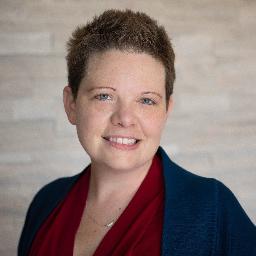
About Michelle
LMHP (Licensed Mental Health Practitioner) in Nebraska with five years of experience working on stress, anxiety, addictions, trauma and related concerns. Michelle Miller focuses on practical help for things like relationships, parenting strain, self-esteem, and coping with life changes.
Michelle uses several well-known methods including attachment-based work, client-centered techniques, cognitive behavioral therapy, dialectical behavior therapy, and mindfulness practices. She frames sessions around what the person brings and adapts tools to the situation. Sessions tend to focus on skills people can use between meetings as well as on understanding recurring patterns.
Her background includes work with survivors of trauma and with people affected by domestic violence, sexual assault, and substance use. She has experience addressing post-traumatic stress, compassion fatigue, and the stresses that come with caring roles. Additional focus areas listed include cancer-related impacts, polyamory and non-monogamous relationship concerns, and women’s issues.
Michelle emphasizes straightforward, person-centered interaction. She listens for what matters most and uses strategies from CBT and DBT when useful, alongside attachment-focused perspectives. Mindfulness exercises and motivational interviewing strategies may be used to support change and manage strong emotions.
Sessions are conducted in English and Michelle holds the LMHP credential for Nebraska. People considering work with her are encouraged to review approach and logistics before scheduling so they know if her style fits their needs.
Sheet 2
How her approaches inform remote work
Attachment-based work looks at patterns in close relationships and helps people notice how past bonds affect present feelings and responses. It can be useful for relationship strain, trust issues, and understanding recurring emotional reactions.Client-centered therapy focuses on listening and reflecting what a person says so they can clarify their own goals. This approach supports people who need a steady, respectful place to sort through priorities and make decisions.
Cognitive behavioral therapy (CBT) teaches practical skills to change unhelpful thoughts and behaviors. It is often used for anxiety, depression, and managing stress by breaking problems into smaller, manageable steps.
Finding the right mix of methods is part of the process. The therapist will work together with the person to decide which approaches fit their needs, goals, and preferences. That means trying tools, checking what helps, and adjusting as work progresses.
The biography does not list specific session formats, so confirm the current options before booking. Online sessions can make it easier to fit meetings into a workday, reduce travel time, or use shorter check-ins when schedules are tight. Remote work also allows practicing skills in real-life settings between sessions, and therapists can use exercises, homework, and mindfulness practices to support steady progress.
Sheet 3
Areas of expertise
Primary focus
Also works with
Additional focus areas
Therapeutic approaches
Experience
5+ years
Listed in
Nebraska
Languages
English
Sheet 4
Frequently asked questions
What concerns does she address?
She focuses on stress, anxiety, addictions, trauma and abuse, relationship and family concerns, parenting strain, anger, self-esteem, depression, coping with life changes, and compassion fatigue. Additional areas include cancer impacts, domestic violence, drug and alcohol addiction, polyamory concerns, post-traumatic stress, sexual assault and women's issues.
What therapeutic approaches does she use?
She uses attachment-based work, client-centered techniques, cognitive behavioral therapy (CBT), dialectical behavior therapy (DBT), mindfulness therapy, and motivational interviewing. These methods are applied depending on the situation and client goals.
How much clinical experience does she have?
She has five years of experience as an LMHP. That experience informs her work on trauma-related concerns and substance use.
What credential does she hold and where is she based?
She holds the LMHP credential and practices in Nebraska. The credential is listed as NE LMHP.
Which languages are supported?
Sessions are offered in English. International clients are not currently accepted.
What session formats are available?
The original biography does not specify session formats. Confirm the current session options with the therapist before booking.
How are fees handled?
Cost varies with location and sessions use a subscription that can be canceled at any time. Confirm specific pricing when you set up services.
How do I begin working with her?
Use the See online therapy options button, complete the short matching questionnaire, and schedule a first session. That process starts the intake and booking steps.
Online talk therapy is not emergency care. If you are in danger, use the urgent help numbers.