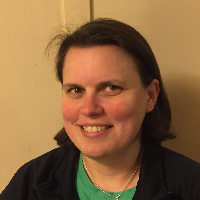
Sheet 1
- Cognitive Behavioral Therapy
- Mindfulness skills
- Caregiving and hospice
About Mary
LCSW in Montana with 7 years of experience, Mary Morgan focuses on stress, anxiety, grief, depression, and related life changes. She uses Cognitive Behavioral Therapy (CBT) as her primary approach and integrates mindfulness and practical coping skills. Mary frames work around clear goals and an active therapeutic relationship.
Mary offers straightforward, task-oriented sessions that aim to identify immediate problems and build practical ways to manage them. She emphasizes a strengths-based outlook, helping people notice their resources and apply small changes that reduce distress. Conversations often include skill practice and short exercises between meetings.
Her background includes clinical social work practice and administrative roles in mental health settings. That experience informs how she structures care and coordinates resources when people face complex problems like caregiving strain or major medical issues.
Mary has provided presentations about coping with cancer as a young adult, grief and loss, and caregiver burnout. Those topics shaped her focus on bereavement, hospice and end-of-life concerns, and support for people facing serious illness in themselves or loved ones.
Sessions tend to be collaborative and practical. She uses CBT techniques to address unhelpful thoughts and behaviors, and brings in mindfulness and other coping tools as needed. People who want clear strategies and active problem-solving often find this style useful.
Sheet 2
How CBT and mindful skills are used in remote sessions
Mary primarily practices Cognitive Behavioral Therapy, which looks at the links between thoughts, feelings, and actions. CBT sessions teach concrete techniques to challenge unhelpful thoughts and test small behavior changes that reduce anxiety and depression. She also uses mindfulness skills to help people notice moments of stress and build simple ways to calm down. Mindfulness practice in sessions can include short breathing or attention exercises and guidance on using those skills between meetings. Finding the right approach is a collaborative process. Mary will work with each person to choose techniques that match their goals and daily life. She checks in about what helps, adjusts methods over time, and combines CBT and mindfulness when that fits the issue. Confirm which session formats are currently offered before booking, as the biography does not list specific options. In general, remote sessions can make it easier to attend appointments around work, caregiving, or medical commitments. They also let people use shorter check-ins when time is limited, avoid travel, and fit therapy into a regular routine without promising any particular format.Sheet 3
Areas of expertise
Also works with
Additional focus areas
Therapeutic approaches
Experience
7+ years
Listed in
Montana
Languages
English
Sheet 4
Frequently asked questions
What concerns does she address?
Mary works with stress, anxiety, grief, depression, and related concerns such as compassion fatigue, relationship and intimacy issues, parenting strain, and coping with life changes.
How does she approach therapy?
She uses a practical, interactive style centered on Cognitive Behavioral Therapy (CBT), with mindfulness and skill-building added as useful tools.
How much clinical experience does she have?
Mary has seven years of experience as a Licensed Clinical Social Worker, plus earlier work in counseling and mental health administration.
What are her credentials and location?
She is an LCSW licensed in Montana and practices with a focus on that state.
In which languages can sessions be held?
Sessions are offered in English.
What session formats are available?
The original biography does not list specific session formats; please confirm current session options before booking.
How are fees handled?
Cost varies with location and sessions use a subscription that can be canceled at any time.
How do I begin working with her?
Select the See online therapy options button, complete a short matching questionnaire, and schedule a first session.
Online talk therapy is not emergency care. If you are in danger, use the urgent help numbers.