Sheet 1
- Stress and anxiety
- Relationship and family
- CBT and solution-focused
About Leon
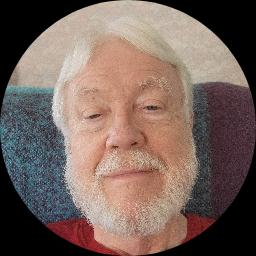
LMHC Leon Dickinson has 15 years of clinical experience and practices in New York. He focuses on stress, anxiety, relationship and family concerns, trauma and abuse, and anger. He also works with communication problems, post-traumatic stress, and social anxiety and phobia. Sessions are conducted in English.
Leon uses straightforward, practical conversations to help people sort through problems. He aims to make talking about difficult topics easier. In sessions he listens without judgment and helps people map concrete next steps for change.
His approach blends client-centered methods with Cognitive Behavioral Therapy and Solution-Focused Therapy. That means he invites clients to lead the topics while also using tools to spot unhelpful thinking patterns and to set small, achievable goals. Sessions often move between exploring feelings and trying brief experiments to test new behaviors.
Leon grew up on a dairy farm in New York and continues part-time work with a Cornell University program supporting agricultural communities. That background informs his understanding of rural life, work stress, and family dynamics.
Practical concerns such as communication breakdowns, managing anger, and recovering from past trauma are common topics. He helps people develop clearer ways to speak with others and to reduce anxiety in everyday settings. To begin, users follow the site process to complete a short questionnaire and schedule a first session.
Sheet 2
How his approaches inform online sessions
Client-Centered Therapy focuses on what matters to the person in the room. The therapist follows the client's lead, reflects on what is said, and helps clarify feelings and priorities. This approach is useful when someone wants to talk through relationship or family stress and have their concerns heard. Cognitive Behavioral Therapy (CBT) looks at patterns of thinking and behavior that keep problems going. It uses practical exercises to test new ways of thinking and acting, which can reduce anxiety and anger. Solution-Focused Therapy concentrates on short-term goals and small steps forward, useful when a person wants faster, concrete progress. Finding the right mix of these methods is a collaborative process. The therapist will work with each client to decide which approach fits their goals and preferences and may adjust methods as progress is made. Confirm current session formats before booking so you know what is offered. Many people choose online sessions because they can fit appointments into workdays, avoid travel time, and use shorter check-ins when needed. Talk with the therapist about how to structure sessions so they work with your schedule and needs.Sheet 3
Areas of expertise
Primary focus
Additional focus areas
Therapeutic approaches
Experience
15+ years
Listed in
New York
Languages
English
Sheet 4
Frequently asked questions
What concerns does he address?
He works with stress, anxiety, relationship and family issues, trauma and abuse, anger, and related problems like communication breakdowns and social anxiety.
What therapeutic approaches does he use?
He practices Client-Centered Therapy, Cognitive Behavioral Therapy (CBT), and Solution-Focused Therapy. Those approaches guide conversations, thought work, and short-term goal setting.
How long has he been practicing?
He has 15 years of clinical experience working with individuals on a range of concerns.
What are his credentials and location?
He is an LMHC licensed in New York and works with clients based in that state.
Which languages are supported?
Sessions are offered in English.
Can international clients work with him?
He does not accept international clients at this time.
How much do sessions cost?
Cost varies with location. Sessions use a subscription model that can be canceled at any time.
How do I get started?
Choose the See online therapy options button, complete a short matching questionnaire, and schedule your first session through the site.
Online talk therapy is not emergency care. If you are in danger, use the urgent help numbers.