Sheet 1
- DBT skills
- Narrative work
- ACT methods
About Leo
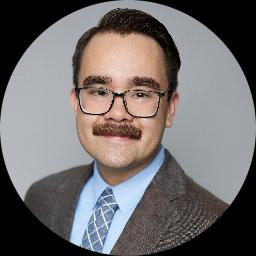
LCSW Leo Lyon has three years of clinical experience and practices in Nevada. He focuses on self-esteem, career concerns, depression, coping with life changes, and compassion fatigue. Leo works with adults who bring issues tied to attachment, communication, fatherhood, first responder work, immigration, and related concerns. Sessions are offered in English and Tagalog.
Leo describes his approach as drawing on evidence-based therapeutic techniques. He uses Dialectical Behavioral Therapy (DBT), Narrative Therapy, and Acceptance and Commitment Therapy (ACT) within a trauma-informed, strength-based framework. In practice that means helping people notice patterns, tell different stories about themselves, and try new skills for handling emotions and relationships.
He aims to uncover personal strengths and talents together with each client. Conversations often look at how past experiences shape current reactions and decisions. Work can include skill practice, writing or reframing personal narratives, and focusing on values-driven choices.
Leo earned a bachelor’s degree in psychology from the University of Nevada Las Vegas and a master’s degree in social work from the University of Illinois at Chicago. His credential is LCSW.
Because of insurance panel restrictions, he is out of network with United Health and Optum plans. Before scheduling, people should confirm payment details and session options that match their needs.
To begin, clients select the See online therapy options button, complete a short matching questionnaire, and schedule a first session. The subscription used for sessions can be canceled at any time.
Sheet 2
How his approaches translate to online work
Dialectical Behavioral Therapy (DBT) focuses on concrete skills for emotion regulation, distress tolerance, and interpersonal effectiveness. Online sessions can include teaching and practicing those skills, with homework between meetings to try things in daily life.Narrative Therapy works by examining the stories people tell about themselves and testing alternative ways of framing events. In remote sessions this often involves discussion, reflective writing, and reviewing what feels more accurate or useful to the client.
Acceptance and Commitment Therapy (ACT) emphasizes identifying values and taking committed steps toward them while learning to accept difficult feelings. Virtually this can mean short exercises in session and actionable steps to practice between meetings.
Choosing the best approach is collaborative. The therapist will discuss goals, preferences, and what has helped before to decide which techniques to use. That choice can change over time as progress and needs evolve.
The therapist's biography does not list specific session formats, so confirm the available options before booking. Online work can make it easier to fit sessions into a busy week, reduce travel time, and allow for brief check-ins when a shorter visit is more practical. It can also let people use audio-only if they prefer less bandwidth or a simpler setup.
Sheet 3
Areas of expertise
Primary focus
Additional focus areas
Experience
3+ years
Listed in
Illinois, Nevada, Idaho
Languages
English, Tagalog
Sheet 4
Frequently asked questions
What concerns does he address?
He focuses on self-esteem, career issues, depression, coping with life changes, and compassion fatigue. Additional focus areas include attachment, communication problems, fatherhood issues, first responder issues, immigration, and related concerns.
What is his therapeutic style?
He uses evidence-based techniques with a trauma-informed, strength-based frame. Sessions combine skills practice, narrative work, and values-focused exercises.
How much experience does he have?
He has three years of clinical experience. His background includes work with the concerns listed in his specialties.
What are his credentials and where is he based?
He holds the credential LCSW and practices in Nevada. He completed a master’s degree in social work at the University of Illinois at Chicago.
Which languages are offered for sessions?
Sessions are offered in English and Tagalog. International clients are not currently accepted.
What session formats are available?
Session formats were not specified in the biography. Confirm current session options with the therapist before booking.
How does payment and cost work?
Cost varies with location and the service uses a subscription model. The subscription can be canceled at any time.
How do I start working with him?
Begin by selecting the See online therapy options button, completing a short matching questionnaire, and scheduling a first session. That process will guide next steps.
Online talk therapy is not emergency care. If you are in danger, use the urgent help numbers.