Sheet 1
- Acceptance and Commitment Therapy
- Cognitive Behavioral Therapy
- Mindfulness Therapy
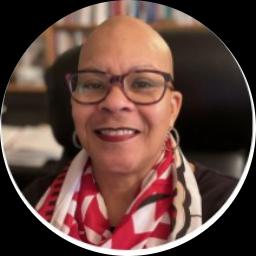
About Karen
Licensed Master Social Worker (LMSW) in Michigan with 30 years of clinical experience, Karen Sumpter focuses on stress, anxiety, trauma and abuse, grief, self-esteem, and depression. She also addresses aging and geriatric issues, cancer, chronic pain and illness, and mood disorders. Karen uses a mix of practical therapies to help people manage symptoms and make day-to-day changes.
Karen draws on Acceptance and Commitment Therapy, Cognitive Behavioral Therapy, Client-Centered Therapy, Mindfulness Therapy, and Motivational Interviewing. Sessions are described in plain language: she listens, gathers a clear history, and works with each person to set realistic goals. Early meetings include an assessment and a plan with specific steps to try between sessions.
Her style emphasizes problem solving and skill building. People can expect guided conversations about thoughts, behaviors, and values. Mindfulness and ACT work may be used to increase present-moment awareness and clarify what matters most to the person.
Karen also addresses practical challenges tied to long-term health conditions and aging. She helps people talk through grief, adjust to changing abilities, and manage chronic pain or illness in ways that reduce distress and improve daily functioning.
Fees vary by location and sessions use a subscription model that can be canceled at any time. To begin, a person is asked to complete a short matching questionnaire and then schedule a first session. International clients are not currently accepted.
Sheet 2
How therapeutic approaches are used in online sessions
Acceptance and Commitment Therapy (ACT) helps people clarify what matters to them and take small, committed steps toward those values. It often focuses on accepting difficult thoughts and reducing avoidance so life can move forward despite discomfort.Cognitive Behavioral Therapy (CBT) targets the links between thoughts, feelings, and behaviors. In sessions the therapist and client identify unhelpful thinking patterns, test them in daily life, and build alternative coping skills for anxiety, depression, and mood problems.
Client-Centered Therapy centers the conversation on the person’s experience and priorities. The therapist listens, reflects, and helps people organize their thoughts so they can make clearer decisions and plan next steps.
Choosing the best approach is part of the work. The therapist will review goals, preferences, and how symptoms show up, then propose methods to try. That plan is adjusted over time based on what helps the person meet their objectives.
Session formats are not listed in the biography, so confirm current options before booking. Online sessions can make it easier to fit therapy around work, medical appointments, or caregiving. They can also allow shorter check-ins or sessions without video when someone prefers less screen time. The focus is practical: making sessions workable within everyday life while applying ACT, CBT, and client-centered techniques.
Sheet 3
Areas of expertise
Additional focus areas
Therapeutic approaches
Experience
30+ years
Listed in
Michigan
Languages
English
Sheet 4
Frequently asked questions
What concerns does she address?
She works with stress, anxiety, trauma and abuse, grief, self-esteem, and depression. Additional focus areas include aging and geriatric issues, cancer, chronic pain and illness, and mood disorders.
What therapeutic approaches are used?
Her practice uses Acceptance and Commitment Therapy (ACT), Cognitive Behavioral Therapy (CBT), Client-Centered Therapy, Mindfulness Therapy, Motivational Interviewing, and solution-focused techniques. These methods guide practical work on thoughts, behavior, and values.
How long has she practiced?
She has 30 years of clinical experience working with adults and older adults on a range of mental health and life adjustment concerns.
What are her credentials and where is she located?
She holds the credential LMSW, which stands for Licensed Master Social Worker, and practices in Michigan.
In which languages can sessions be held?
Sessions are offered in English. International clients are not currently accepted.
What session formats are available?
The original biography does not specify session formats. Please confirm current session options before booking.
How are fees handled?
Fees vary with location and sessions are provided through a subscription that can be canceled at any time.
How do I get started?
Select the See online therapy options button, complete a short matching questionnaire, and schedule a first session.
Online talk therapy is not emergency care. If you are in danger, use the urgent help numbers.