Sheet 1
- Stress and anxiety
- CBT and DBT skills
- English and Haitian Creole
About Gesina
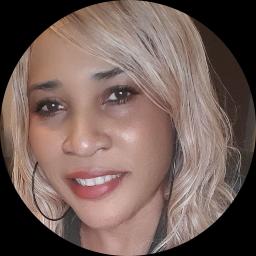
Licensed Professional Counselor (LPC) in Virginia with four years of clinical experience, Gesina Charles helps people address stress, anxiety, anger, self-esteem, depression, addictions, grief, and coping with life changes. She speaks English and Haitian Creole and works with concerns that often come with communication problems, loneliness, post-traumatic stress, social anxiety, and women’s issues.
Gesina uses straightforward conversation to identify what is most pressing for each person. She draws on client-centered therapy to follow the person’s priorities. She also uses cognitive behavioral techniques to break down thoughts and behaviors that maintain distress. When emotional regulation is a concern, she applies dialectical behavior therapy skills to build practical coping tools.
Motivational interviewing is part of her approach when people are moving through change or dealing with addictions. Mindfulness methods are offered to help reduce reactivity and increase moment-to-moment awareness. Sessions focus on small, actionable steps rather than abstract theory.
Her counseling style emphasizes clear goals, skill-building, and regular review of progress. Conversations are direct and aimed at helping people make tangible changes in daily life. She will work with each person to shape a plan that fits their situation.
Gesina’s practice uses a subscription model for sessions that can be canceled at any time. International clients are not accepted, and people should confirm current session formats before booking. To begin, use the site’s matching process and schedule an initial appointment.
Sheet 2
How her approaches translate to online work
Client-centered therapy focuses on the person’s goals and priorities. Online sessions using this approach start with the client’s concerns and build each meeting from what matters most. Cognitive behavioral therapy (CBT) breaks problems into thoughts, feelings, and actions. In an online setting CBT is used to identify patterns and practice new skills between sessions. Dialectical behavior therapy (DBT) offers concrete skills for regulating intense emotions and improving interactions. This is useful when stress, anger, or anxiety make daily life harder.Finding the right approach is collaborative. She will discuss options with clients and adjust methods based on needs, goals, and what works in remote sessions. That collaborative step is part of the early sessions so the plan fits day-to-day life.
The practical benefits of remote work are about fitting therapy into a routine. Confirm which session formats are currently offered before booking. Online sessions can make it easier to schedule short check-ins, reduce commuting time, and allow workday appointments that would otherwise be difficult to reach. Licensed professionals use these formats to keep conversations focused on skill practice, real-life problem solving, and steady progress.
Sheet 3
Areas of expertise
Primary focus
Also works with
Additional focus areas
Therapeutic approaches
Experience
4+ years
Listed in
Virginia
Languages
English, Haitian Creole
Sheet 4
Frequently asked questions
What kinds of problems does she address?
She helps people with stress, anxiety, anger, self-esteem, depression, addictions, and grief, plus related issues like communication problems and loneliness.
What therapeutic approaches does she use?
Her work includes client-centered therapy, cognitive behavioral therapy (CBT), dialectical behavior therapy (DBT), mindfulness, and motivational interviewing.
How much clinical experience does she have?
She has four years of professional work experience as a Licensed Professional Counselor.
What are her credentials and where is she based?
She is an LPC licensed in Virginia and practices from that state.
Which languages are supported in sessions?
Sessions are offered in English and Haitian Creole.
Can people outside the United States work with her?
She does not accept international clients at this time.
How are sessions paid for?
Sessions use a subscription model that can be canceled at any time; exact cost varies with location.
How do I get started?
Click the See online therapy options button, complete the short matching questionnaire, and schedule your first session.
Online talk therapy is not emergency care. If you are in danger, use the urgent help numbers.