Sheet 1
- Addictions support
- Mindfulness methods
- Solution-focused work
About David
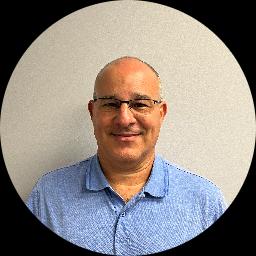
David Stuart is a Florida licensed mental health counselor (LMHC) with 20 years of clinical experience helping people manage anxiety, stress, addictions, relationship and intimacy concerns, and life changes. He focuses on practical, problem-solving work and uses client-centered, mindfulness, and solution-focused approaches in sessions.
David listens without judgment and aims to help people find their own next steps. He prefers to guide rather than give direct advice, and he speaks plainly about options and small adjustments that can make daily life easier. Sessions are conversational and goal-oriented.
In practice he draws on client-centered methods to follow each person’s priorities. Mindfulness techniques are used to help reduce reactivity to stress and to increase present-moment awareness. Solution-focused tools are applied to set concrete goals and build habits that produce change.
David also works with people facing aging and geriatric concerns, family of origin issues, divorce and separation, and smoking or vaping cessation. He addresses anger, jealousy, attachment issues, and drug and alcohol addiction as part of his caseload.
His background includes two decades of direct clinical work in Florida. That experience informs a straightforward approach that balances listening with practical steps. People who want clear feedback and collaborative planning may find his style useful.
Sheet 2
How his approaches translate to online work
Client-Centered Therapy is about listening and following what matters most to the client. Online sessions using this approach let the therapist focus on your agenda and priorities in a conversational way. Mindfulness Therapy teaches simple awareness and breathing practices to reduce reactivity and manage anxiety; those techniques can be guided in a session and practiced between meetings. Solution-Focused Therapy concentrates on small, achievable steps and clear goals so progress is measurable and feels practical.Finding the right approach is part of the work. David will discuss what seems most useful based on your situation and preferences and then test methods together. That collaborative process helps choose which combination of listening, mindfulness practice, and goal-setting fits your needs.
Session format options are not specified in the biography, so confirm current session formats before booking. Online sessions can make it easier to fit appointments into a busy week, shorten check-ins when time is limited, and allow guided practice without traveling. Licensed professionals often use these conveniences to help people keep therapy consistent with everyday life.
Sheet 3
Areas of expertise
Primary focus
Also works with
Additional focus areas
Therapeutic approaches
Experience
20+ years
Listed in
Florida
Languages
English
Sheet 4
Frequently asked questions
What concerns does he commonly address?
He works with addictions, relationship and intimacy issues, stress, anxiety, anger, coping with life changes, and coaching for behavioral changes.
What therapy approaches does he use?
Client-Centered Therapy, Mindfulness Therapy, and Solution-Focused Therapy guide his work. He uses these to follow your priorities, reduce reactivity, and set concrete goals.
How much clinical experience does he have?
He has 20 years of experience providing direct clinical care. That background shapes a practical, problem-solving style.
What credential and location apply to his practice?
He is an LMHC licensed in Florida and practices from that state.
Which languages are sessions offered in?
Sessions are offered in English.
Can people outside the US work with him?
International clients are not accepted at this time.
How are session costs handled?
Cost varies with location and sessions use a subscription model that can be canceled at any time.
How do I begin scheduling a session?
Select the See online therapy options button, complete the short matching questionnaire, and schedule a first session.
Online talk therapy is not emergency care. If you are in danger, use the urgent help numbers.