Sheet 1
- Stress and anxiety
- Addictions support
- Self-esteem work
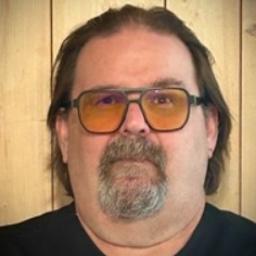
About David
LCSW-C David Dail is a licensed clinical social worker in Maryland with four years of professional experience. He focuses on stress, anxiety, addictions, and self-esteem and helps people work on communication problems, guilt and shame, and self-love. David speaks English and practices from his Maryland license, LCSW-C.
He keeps sessions straightforward. He listens to what is happening now and helps people name patterns that make life harder. Conversations include practical steps for coping with strong feelings and problems with motivation. Sessions also address confidence and self-worth in everyday situations.
David frames work as collaborative. He asks questions, reflects what he hears, and suggests small experiments to try between sessions. That can include short behavior changes, communication practices, or ways to interrupt anxious or addictive patterns.
People who come to him should expect clear, direct conversation about real-life problems. He aims to reduce overwhelm by breaking issues into manageable parts. The focus is on what clients want to change and how to make steady progress.
To begin, clients follow the site process to match and schedule a first session. Fees vary by location and use a subscription that can be canceled at any time. Confirm current session options before booking.
Sheet 2
Approaches used and how online work fits in
David uses evidence-based therapeutic techniques that focus on changing unhelpful patterns and building practical skills. One common approach involves identifying and shifting thoughts and behaviors that increase anxiety or lead to addictive responses; this helps people test new ways of handling stress and cravings. Another approach centers on behavioral experiments and small steps to boost confidence and self-esteem, such as graded exposure to feared situations or brief practice of new communication skills.Finding the right approach is collaborative. The therapist will review current struggles, goals, and preferences and suggest options to try. Clients and the therapist adjust methods over time based on what proves useful in their daily lives.
Confirm current session formats before booking, as the biography does not list specific formats. Online work can make it easier to fit sessions into busy schedules, reduce travel time, and allow shorter check-ins when needed. It can also let people try techniques at home between sessions and then review what did and didn’t work with a licensed professional.
Sheet 3
Areas of expertise
Primary focus
Additional focus areas
Experience
4+ years
Listed in
Maryland
Languages
English
Sheet 4
Frequently asked questions
What concerns does he help with?
David works with stress, anxiety, addictions, and self-esteem. He also focuses on communication problems, guilt and shame, and self-love.
What is his approach in sessions?
He uses straightforward, collaborative conversation and practical steps. Sessions often include small behavior changes and communication practices to try between meetings.
How much experience does he have?
He has four years of professional work experience as a clinician.
What are his credentials and location?
He is credentialed as LCSW-C in Maryland. Practice is conducted under that Maryland licensure.
Which languages are supported?
Sessions are offered in English.
Can people outside the United States work with him?
He does not accept international clients at this time.
How are fees and billing handled?
Cost varies with location and services. Sessions use a subscription that can be canceled at any time.
What steps are needed to start?
Use the See online therapy options button, complete a short matching questionnaire, and schedule a first session.
Online talk therapy is not emergency care. If you are in danger, use the urgent help numbers.