Sheet 1
- Stress and anxiety
- Addictions support
- Grief and loss
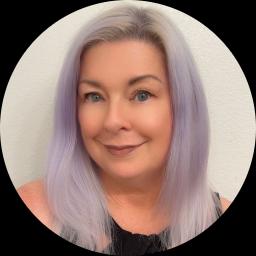
About Cynthia
LCSW in California with 29 years of experience. Cynthia Callaghan helps people manage stress, anxiety, addictions, grief, anger, and depression. She also focuses on divorce and separation, forgiveness, guilt and shame, isolation and loneliness, life purpose, and women's issues.
Cynthia works in straightforward, conversational sessions. She listens first and then helps people name the problems they want to change. Sessions are meant to be practical - exploring thoughts and feelings, building coping steps, and practicing small changes between meetings.
Her approach centers on evidence-based therapeutic techniques. That means using methods that are supported by research to address emotional and behavioral concerns. Cynthia breaks big problems into concrete skills people can try and refine over time.
She encourages honest talk about difficult feelings like shame, anger, and grief. Cynthia helps people sort through decisions around separation or divorce and the emotions that follow. She also supports exploration of life purpose and values when people feel stuck or isolated.
Work in therapy can include learning new coping skills for anxiety and stress, creating plans to reduce addictive behaviors, and guided conversations about forgiveness and guilt. Cynthia aims to keep sessions direct and practical so progress is visible between meetings.
Sheet 2
How evidence-based methods translate to online sessions
Evidence-based therapeutic techniques focus on specific skills and changes you can practice. For example, cognitive strategies help identify and shift unhelpful thinking patterns that feed anxiety and depression. These techniques teach simple steps to notice thoughts and try alternative responses that reduce distress.Behavioral strategies break problems into actions. For addictions or anger, this might mean building routines, setting clear limits, and practicing new responses in real situations. Small, measurable actions are used so progress can be tracked from session to session.
Finding the right mix of approaches is part of the work. Cynthia will collaborate with each person to decide which techniques match their goals and comfort. She adjusts methods over time based on what is helpful and what isn’t, and she discusses options openly with clients.
Session formats are not listed in the biography, so please confirm current options before booking. Online sessions can make it easier to fit therapy into a busy day, reduce travel time, and allow shorter check-ins when needed. They also let people continue care across locations and time zones, which is useful for those who travel or live abroad.
Sheet 3
Areas of expertise
Primary focus
Additional focus areas
Experience
29+ years
Listed in
California
Languages
English
Sheet 4
Frequently asked questions
What concerns does she address?
She works with stress, anxiety, addictions, grief, anger, and depression. Additional focuses include divorce and separation, forgiveness, guilt and shame, isolation and loneliness, life purpose, and women's issues.
How would you describe her therapeutic style?
She uses a straightforward, conversational approach. Sessions focus on naming problems, learning practical skills, and trying small changes between meetings.
How much experience does she have?
Cynthia has 29 years of professional experience working with these concerns.
What credential does she hold and where does she practice?
She is a Licensed Clinical Social Worker, LCSW, licensed in California and practices there.
Which languages are available for sessions?
Sessions are offered in English.
Can international clients work with her?
She accepts international clients; confirm logistics and time zones when booking.
What formats are offered for sessions?
Current session formats are not specified here. Please confirm the available session formats before booking.
How are costs and billing handled?
Cost varies with location and sessions use a subscription that can be canceled at any time.
Online talk therapy is not emergency care. If you are in danger, use the urgent help numbers.