Sheet 1
- Client-Centered Therapy
- Cognitive Behavioral Therapy
- Mindfulness practices
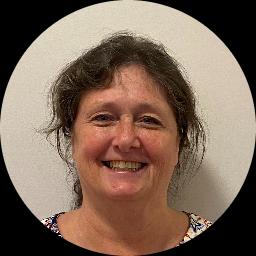
About Christine
LCMHC in North Carolina with 33 years of clinical experience, Christine Broadwater helps people work through relationship problems, trauma and abuse, parenting challenges, and mood concerns. Christine is a Licensed Clinical Mental Health Counselor (LCMHC) practicing in North Carolina. She works in English and draws on several therapeutic approaches to support clients facing stress, anxiety, grief, and shifts in life roles.
Christine sees clients as the experts in their own stories and builds on existing strengths. Sessions focus on clear goals and practical steps. Common topics include intimacy-related issues, self-esteem, anger, and compassion fatigue. She also addresses ADHD, bipolar disorder, depression, and adjustment after major life changes.
Her practice includes attention to family-related concerns such as family of origin issues, blended family dynamics, adoption and foster care questions, divorce and separation, and caregiver stress. She also works with multicultural concerns, postpartum depression, and young adult issues. Christine can discuss life purpose and meaning when that is important to a client.
Therapeutic methods Christine uses include client-centered work, cognitive behavioral techniques, dialectical behavior therapy skills, mindfulness practices, and motivational interviewing. These methods are applied in straightforward ways to help people manage emotions, change unhelpful patterns, and increase coping skills.
Beginning therapy typically involves setting short-term goals and deciding on practical tools to try between sessions. To start, prospective clients complete a short matching questionnaire and schedule an initial appointment through the See online therapy options button.
Sheet 2
Therapeutic approaches used in virtual care
Client-centered therapy focuses on listening and responding to the client's priorities. The therapist follows the client's lead and helps clarify goals while offering reflective feedback. Cognitive behavioral therapy (CBT) looks at how thoughts and behaviors affect feelings. It uses practical exercises and skill practice to reduce anxiety, depression, and unhelpful patterns. Dialectical behavior therapy (DBT) emphasizes concrete skills for emotion regulation and distress tolerance, useful when strong emotions or relationship conflicts interfere with daily life.Finding the best approach is a collaborative process. The therapist will review your goals and preferences and suggest methods to try. Together you can adjust the plan based on what helps and what feels manageable in day-to-day life.
The original biography does not list specific session formats, so confirm current options before booking. Many people find remote sessions helpful for fitting therapy into work, caregiving, or school schedules. Remote care can make shorter check-ins easier, avoid travel time, and allow workday appointments that would otherwise be difficult to attend. Licensed professionals can adapt in-session exercises and between-session tasks to work within the session format you choose.
Sheet 3
Areas of expertise
Primary focus
Also works with
Additional focus areas
Therapeutic approaches
Experience
33+ years
Listed in
North Carolina
Languages
English
Sheet 4
Frequently asked questions
What concerns does she address?
She helps people with relationship issues, trauma and abuse, parenting challenges, self-esteem, stress, anxiety, grief, and mood disorders including depression and bipolar disorder.
What is her therapeutic style?
She practices client-centered therapy alongside cognitive behavioral techniques, dialectical behavior therapy skills, mindfulness, and motivational interviewing to set goals and teach coping tools.
How much clinical experience does she have?
She has 33 years of professional work experience in clinical settings and related practice.
What are her credentials and location?
She is an LCMHC - Licensed Clinical Mental Health Counselor - practicing in North Carolina.
Which languages are offered and are international clients accepted?
Sessions are offered in English. International clients are not currently accepted.
What session formats are used?
The original biography does not specify session formats. Please confirm current session options before booking.
How does payment work?
Cost varies with location and sessions use a subscription that can be canceled at any time.
How do I get started?
Begin by selecting the See online therapy options button, completing a short matching questionnaire, and scheduling a first session.
Online talk therapy is not emergency care. If you are in danger, use the urgent help numbers.