Sheet 1
- Addictions focus
- CBT and ACT methods
- Motivational interviewing
About Carmela
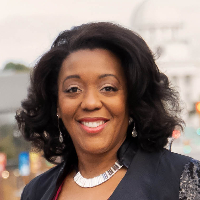
LPC (Licensed Professional Counselor) in Alabama with 25 years of experience. Dr. Carmela Drake helps people facing addictions, parenting stress, anger, low self-esteem, anxiety, and the changes life brings. She also works with concerns related to relationships, career pressure, compassion fatigue, and ADHD. Sessions focus on practical skills and clear next steps.
Dr. Drake combines cognitive behavioral methods with client-centered care. She uses Acceptance and Commitment Therapy, Motivational Interviewing, and Solution-Focused techniques where they fit. In sessions she talks through patterns, sets actionable goals, and practices skills clients can use between meetings.
Her background is rooted in addictions and mental health work. That history shapes how she approaches process and substance addictions, codependency, and sex or gambling concerns. She brings experience helping young adults and people navigating life transitions connected to sport, school, and work.
Conversations are direct and interactive. Expect question-and-answer, reflections, and brief exercises. The focus is on making measurable changes and improving day-to-day functioning rather than long theoretical discussion.
She asks clients to outline immediate problems and practical goals in early visits. From there she and the client adjust approaches - leaning more toward motivational work when change feels stalled, or CBT and ACT strategies when thoughts, behaviors, or values need reframing. The plan is reviewed regularly and changed as progress or circumstances shift.
Sheet 2
How her approaches shape online sessions
Acceptance and Commitment Therapy (ACT) helps people clarify values and take action on what matters despite uncomfortable thoughts or feelings. It is useful for anxiety, stress, and navigating major life changes. Cognitive Behavioral Therapy (CBT) looks at how thoughts, feelings, and behaviors connect and teaches specific skills to shift unhelpful patterns. It often helps with anxiety, low self-esteem, and anger. Motivational Interviewing focuses on resolving ambivalence about change and is commonly used in work on substance or process addictions.Finding the right mix of methods is part of the work. She will collaborate with clients to decide which approaches fit their goals and preferences, adjusting strategies over time based on progress and feedback.
Confirm current session formats before booking. The practical benefit of remote or digitally supported sessions is that they can fit into busy schedules more easily, reduce travel time, and allow for more frequent short check-ins when needed. These arrangements can make it simpler to keep momentum between appointments and practice strategies in day-to-day life.
Sheet 3
Areas of expertise
Primary focus
Also works with
Additional focus areas
Therapeutic approaches
Experience
25+ years
Listed in
Alabama
Languages
English
Sheet 4
Frequently asked questions
What concerns does she address?
She supports people with addictions, process addictions, parenting stress, anger, low self-esteem, anxiety, relationship and family issues, career and workplace problems, ADHD, and related areas such as codependency and forgiveness.
How would you describe her therapeutic approach?
She mixes cognitive behavioral techniques with client-centered work and uses Acceptance and Commitment Therapy and Motivational Interviewing as needed. The work emphasizes practical skills and goal-focused sessions.
How much clinical experience does she have?
She has 25 years of experience in addictions and mental health settings, including work with young adults and student-athletes transitioning from high school to college competition.
What credential does she hold and where does she practice?
She is a Licensed Professional Counselor (LPC) in Alabama and provides services based in that state.
Which languages are supported in sessions?
Sessions are offered in English.
Can people outside the United States work with her?
She does not accept international clients at this time.
How are sessions paid for and billed?
Cost varies with location and sessions use a subscription that can be canceled at any time. Exact pricing is provided during sign-up.
What steps are involved in getting started?
Start by selecting the See online therapy options button, fill out a short matching questionnaire, and then schedule a first session.
Online talk therapy is not emergency care. If you are in danger, use the urgent help numbers.