Sheet 1
- Stress and anxiety
- Trauma and abuse
- Self esteem support
About Ashley
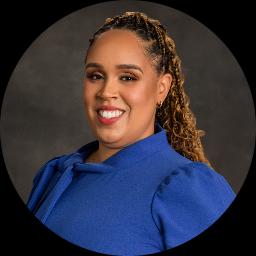
LISW-CP, LCSW with 15 years of experience. Ashley De Verteuil focuses on stress, anxiety, trauma and abuse, self esteem, depression, and coping with life changes. She works with people who want clearer thinking and steadier emotions during hard times.
Ashley uses straightforward conversation to help people name what is happening and find manageable steps forward. Sessions focus on practical skills for day-to-day stress, strategies to reduce panic and social anxiety, and ways to cope with shame or isolation. She encourages honesty and direct discussion of difficult feelings so problems can be addressed concretely.
Her approach is collaborative. She listens for patterns that keep problems going and suggests small changes to break those cycles. For someone facing pregnancy-related stress, life transitions, or questions about purpose, she helps weigh options and try new coping habits. Goals are set together and checked regularly.
Ashley draws on methods described as evidence-based therapeutic techniques to guide sessions toward measurable change. She pays attention to communication issues that contribute to ongoing strain and helps people practice different ways of interacting. When trauma or abuse are part of the story, she moves at a pace the person can manage.
Sessions are conducted in English and are arranged through a subscription model that can be canceled at any time. Before the first meeting, people complete a short questionnaire to match with the practice and then schedule an initial session. Ashley practices in New York as a LISW-CP and LCSW.
Sheet 2
How evidence-based approaches are used in online sessions
Two evidence-based therapeutic techniques commonly used in this kind of work are skills-based cognitive strategies and exposure-oriented approaches. Skills-based cognitive strategies focus on identifying unhelpful thoughts and testing them with simple experiments; they help reduce persistent worry and low mood by changing everyday thinking patterns. Exposure-oriented approaches involve gradual, planned practice with feared situations or sensations to reduce panic and social anxiety over time.Finding the right approach is part of the process. The therapist works collaboratively to pick methods that fit a person's goals and comfort level. Together they check what's working, adjust the plan, and move at a pace that feels manageable.
If you want online sessions, confirm what formats are offered before booking since formats were not specified in the biography. Using online sessions can make it easier to fit therapy into a day, allow shorter check-ins when needed, and remove travel time. It can also let people choose not to use video when a lower-bandwidth or simpler call is preferred. Licensed professionals are able to adapt evidence-based techniques to work by distance and help clients practice skills between meetings.
Sheet 3
Areas of expertise
Additional focus areas
Experience
15+ years
Listed in
New York, South Carolina
Languages
English
Sheet 4
Frequently asked questions
What concerns does she address?
She works with stress, anxiety, trauma and abuse, self esteem, depression, and coping with life changes. Additional focus includes communication problems, guilt and shame, and panic attacks.
What is her therapeutic style?
She uses straightforward, collaborative conversation and practical skills work. Sessions target patterns that keep problems going and test small changes.
How much experience does she have?
She has 15 years of professional work experience supporting people with mood and stress-related concerns.
What credentials and location are listed?
Credentials shown are LISW-CP and LCSW. She practices in New York.
Which languages are supported?
Sessions are offered in English.
Can international clients work with her?
International clients are not currently accepted.
How is cost handled?
Cost varies with location and services. Sessions use a subscription that can be canceled at any time.
How do I begin a first session?
Select the See online therapy options button, complete a short matching questionnaire, and schedule a first session.
Online talk therapy is not emergency care. If you are in danger, use the urgent help numbers.