Sheet 1
- Client-centered approach
- Cognitive behavioral therapy
- Trauma-informed methods
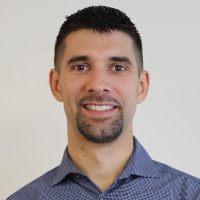
About Zach
LPC (Licensed Professional Counselor) in Wisconsin with eight years of clinical experience, Zach Bruns helps people cope with stress, anxiety, addictions, trauma and abuse, depression, relationship concerns, and ADHD. He also supports people dealing with grief, parenting challenges, sleep problems, bipolar disorder, anger, intimacy-related issues, and compassion fatigue. Sessions are conducted in English and his work draws on several practical therapy approaches.
Zach’s practice centers on client-centered work. That means conversations focus on the client’s perspective and goals. He combines that stance with cognitive behavioral techniques to address unhelpful thoughts and behaviors. He also uses solution-focused and trauma-informed methods when they fit the presenting problem.
He has experience working with people who have lived with homelessness, childhood trauma, domestic violence, and substance use concerns. That background informs how he thinks about safety, coping skills, and concrete supports during treatment. Zach spent time as a counselor and a case manager prior to his current practice, which shaped his practical approach.
In sessions he typically offers short-term problem-solving alongside longer work on trauma or mood disorders. He uses motivational interviewing strategies to support change for issues like alcohol or drug use. CBT techniques are used to help with anxiety, depression, sleep problems, and ADHD-related struggles.
People can expect direct, goal-oriented conversations that also attend to life context and cultural concerns. His LPC credential is spelled out here as Licensed Professional Counselor. To begin, confirm current session options and the steps to schedule before booking.
Sheet 2
Therapeutic approaches used in remote work
Client-centered therapy focuses on the person’s own goals and perspective. In practice this means the therapist follows the client’s concerns, offers reflection, and helps the person clarify what they want to change. Cognitive behavioral therapy (CBT) targets thoughts and behaviors that keep problems going. CBT techniques can help with anxiety, depression, sleep problems, and patterns linked to substance use. Trauma-focused therapy attends to past traumatic events and their present effects, using pacing and skills to manage distress and reduce symptoms related to trauma.Finding the best approach is part of the work. The therapist will discuss options and try methods that fit the client’s needs, goals, and preferences. Decisions about which techniques to use are collaborative and may shift as progress is made.
Session formats are not specified in the biography, so please confirm current online options before booking. Online sessions can make it easier to schedule therapy around work, school, or family obligations. They can also allow shorter check-ins or sessions that do not require being on camera, which may suit different needs and practical constraints.
Sheet 3
Areas of expertise
Primary focus
Also works with
Therapeutic approaches
Experience
8+ years
Listed in
Wisconsin
Languages
English
Sheet 4
Frequently asked questions
What concerns does he address?
He works with stress, anxiety, addictions, trauma and abuse, depression, bipolar disorder, and related issues like sleep and intimacy problems.
What therapy styles does he use?
He uses client-centered methods alongside cognitive behavioral therapy, solution-focused techniques, and trauma-focused approaches depending on the issue.
How much clinical experience does he have?
He has eight years of experience as a counselor and case manager working with a range of mental health and substance use concerns.
What are his credentials and where is he based?
He is an LPC, which stands for Licensed Professional Counselor, practicing in Wisconsin.
Which languages are supported?
Sessions are offered in English.
Does he work with international clients?
He does not accept international clients at this time.
What is the cost and payment model?
Cost varies by location; sessions use a subscription model that can be canceled at any time.
How do I begin working with him?
Select the See online therapy options button, complete a short matching questionnaire, and schedule your first session.
Online talk therapy is not emergency care. If you are in danger, use the urgent help numbers.