Sheet 1
- CBT methods
- DBT skills
- Client-centered
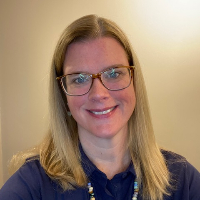
About Wendy
LMFT (Licensed Marriage and Family Therapist) with 25 years of experience in Massachusetts, Wendy Isaac helps people manage stress, anxiety, mood concerns, parenting challenges, and trauma-related issues. She also works with people facing relationship strain, grief, ADHD, bipolar disorder, postpartum depression, and career or self-esteem concerns. Sessions are conducted in English.
Wendy centers the client-therapist match as a first step. She listens and partners with clients to set clear goals. She describes therapy as collaborative work where the client remains the author of their story while the therapist offers perspective and tools.
Her work draws on Client-Centered Therapy, Cognitive Behavioral Therapy (CBT), Dialectical Behavior Therapy (DBT), and Solution-Focused Therapy. In practice that means she listens for patterns, offers cognitive and behavioral tools, teaches skills for managing intense emotions, and helps identify practical steps toward change.
Wendy has a long history in both private practice and school settings. That background informs her approach to parenting concerns, adoption and foster care issues, blended family dynamics, and young adult transitions. She also brings experience addressing compassion fatigue and women's issues.
People can expect clear, practical conversations about goals and next steps. She uses brief skills work as well as deeper processing when needed. To begin, clients use the online matching process and schedule a first session through the platform.
Sheet 2
How Wendy’s approaches translate to online work
Client-Centered Therapy focuses on listening and reflecting back what matters to the client. It helps people clarify goals and feel heard while deciding what to work on next. Cognitive Behavioral Therapy (CBT) breaks problems into thoughts, feelings, and behaviors and offers step-by-step tools to shift unhelpful patterns; it’s often used for anxiety, depression, and mood regulation. Dialectical Behavior Therapy (DBT) teaches concrete skills for emotion regulation, distress tolerance, and interpersonal effectiveness, which can help when strong emotions interfere with daily life.Finding the right approach is part of the process. The therapist will review concerns and preferences and then recommend which methods to try first. That decision is collaborative and may change as work progresses.
Session formats are not specified in the provided biography, so confirm current options before booking. Online work can make it easier to fit appointments around school, work, or caregiving by removing travel time and allowing shorter or more frequent check-ins when needed. It also lets therapists share worksheets, practice skills, and follow up on homework between meetings. Discuss format preferences when scheduling to ensure sessions match practical needs.
Sheet 3
Areas of expertise
Primary focus
Also works with
Additional focus areas
Therapeutic approaches
Experience
25+ years
Listed in
Massachusetts
Languages
English
Sheet 4
Frequently asked questions
What kinds of concerns does she address?
She works with stress, anxiety, depression, bipolar disorder, ADHD, trauma and abuse, grief, parenting challenges, and related family and mood issues.
What methods does she use in sessions?
She uses Client-Centered Therapy, Cognitive Behavioral Therapy (CBT), Dialectical Behavior Therapy (DBT), and Solution-Focused Therapy depending on client needs.
How long has she been practicing?
She has 25 years of clinical experience working in private practice and school settings.
What are her credentials and location?
She holds an MA and is a Licensed Marriage and Family Therapist (LMFT) practicing in Massachusetts.
Which languages are supported?
Sessions are offered in English.
Can people from other countries work with her?
She does not accept international clients.
How are sessions scheduled and paid for?
Cost varies with location and sessions use a subscription that can be canceled at any time.
How do I begin a first session?
Use the See online therapy options button, complete a short matching questionnaire, and schedule an initial appointment.
Online talk therapy is not emergency care. If you are in danger, use the urgent help numbers.