Sheet 1
- CBT methods
- DBT skills
- Mindfulness practice
About Tracie
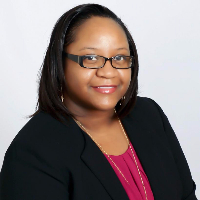
LPC, LMHC Tracie Stewart has nine years of experience working with people in Wisconsin. She holds a master's degree in clinical psychology and a second master's in health psychology. She is a Licensed Professional Counselor and a Licensed Mental Health Counselor in Wisconsin. Tracie focuses on stress, anxiety, anger, self-esteem, depression, relationships, family concerns, trauma and abuse, and grief.
Tracie uses evidence-based approaches in sessions. She works with Cognitive Behavioral Therapy, Dialectical Behavior Therapy, and mindfulness practices to help people build life skills. Sessions are practical and skills-focused, with time spent learning tools that can be used between meetings.
Her style centers on clear goals and straightforward techniques. People can expect to talk through current problems, learn coping skills, and practice new ways of responding to stress. Tracie aims to make concepts easy to apply in everyday situations.
She draws on both clinical and health psychology training to look at how behavior, thinking, and lifestyle interact. That background shapes how she designs interventions and schedules follow-up work. The focus is on measurable steps rather than long lectures.
Tracie works in English. International clients are not accepted. Before booking, clients should confirm current session formats and scheduling details via the platform matching process. To begin a first session, use the platform's matching questionnaire and scheduling flow.
Sheet 2
How CBT, DBT and Mindfulness translate to online sessions
CBT focuses on the link between thoughts, feelings, and actions. In sessions a person learns to spot unhelpful thinking patterns and practice different responses to reduce anxiety or low mood. DBT provides concrete skills for emotion regulation, distress tolerance, and interpersonal effectiveness; it is practical work aimed at managing strong emotions and improving relationships. Mindfulness Therapy teaches present-moment attention and simple exercises to reduce reactivity and increase calm.Finding the best approach is part of the early work. The therapist will review needs, goals, and how a person prefers to work, then suggest methods to try. This is a collaborative process and plans can be adjusted as progress is tracked.
Session logistics and formats are not listed in the biography, so confirm the current options before booking. Online sessions can make it easier to fit meetings into a busy schedule, shorten commute time, and allow focused skill practice between appointments. Some formats may be simpler for quick check-ins or work-life schedules that need flexibility. Discussing practical arrangements during the matching and scheduling steps will help match a format to everyday life.
Sheet 3
Areas of expertise
Primary focus
Also works with
Therapeutic approaches
Experience
9+ years
Listed in
Wisconsin, Hawaii
Languages
English
Sheet 4
Frequently asked questions
What kinds of concerns does she address?
She works with stress, anxiety, anger, self-esteem, depression, relationship and family concerns, trauma and abuse, and grief.
What therapeutic approaches does she use?
Tracie uses Cognitive Behavioral Therapy (CBT), Dialectical Behavior Therapy (DBT), and Mindfulness Therapy in her work.
How much experience does she have?
She has nine years of clinical experience.
What are her credentials and where is she based?
She is an LPC and an LMHC licensed in Wisconsin.
Which languages are supported?
Sessions are offered in English.
Can international clients work with her?
International clients are not accepted at this time.
What should I know about session formats?
Session formats are not specified here; confirm current options through the platform before booking.
How are payments and cost handled?
Cost varies with location and sessions use a subscription that can be canceled at any time.
Online talk therapy is not emergency care. If you are in danger, use the urgent help numbers.