Sheet 1
- CBT approaches
- DBT skills
- Christian perspective
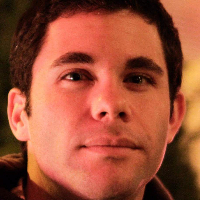
About Tim
LMFT in California with 10 years of clinical experience, Tim Crosby focuses on stress, anxiety, relationship concerns, and trauma-related problems. He also addresses depression, self-esteem, addictions, body image, grief, parenting issues, eating concerns, intimacy-related issues, anger, career pressures, and LGBT-related questions.
Tim frames therapy around each person’s autonomy and decision-making. He views clients as capable of making choices and aims to equip them with practical skills. He also offers counseling from a Christian, biblically-rooted perspective for those who request that orientation.
His work draws on several approaches. Cognitive Behavioral Therapy (CBT) is used to identify and change unhelpful thoughts and behaviors. Dialectical Behavior Therapy (DBT) skills are brought in for emotion regulation and distress tolerance. He also uses Solution-Focused Therapy to set short-term goals and examine what already works.
Trauma-Focused Therapy is part of his practice for people who have experienced abuse or other traumatic events. Existential therapy and narrative elements appear when conversations center on meaning, values, and identity. Tim adapts methods to what a person needs, explaining options and testing what helps.
Sessions emphasize practical tools, clear steps, and collaborative planning. Clients can expect direct conversations about sensitive topics such as sexuality, pornography, ministry burnout, and pressures to be perfect. The therapist’s aim is to equip people to manage problems independently over time.
Sheet 2
How his therapeutic approaches work in online sessions
Tim commonly uses Cognitive Behavioral Therapy to help identify unhelpful thoughts and try small behavior changes. CBT can be useful for anxiety, depression, stress, and many everyday problems where practical steps are needed.He also brings Dialectical Behavior Therapy skills into session work to teach emotion regulation, distress tolerance, and interpersonal effectiveness. DBT skills are helpful when strong emotions or relationship conflicts make daily life harder.
Trauma-Focused Therapy is applied for people who have experienced abuse or other significant trauma. This approach focuses on processing traumatic memories and building coping skills to reduce their impact on current functioning.
Choosing an approach is collaborative. The therapist will discuss options, explain how a method might help, and adjust the plan based on the client’s goals and preferences.
Session format details should be confirmed before booking. The profile does not list specific formats, so ask about available session types when you schedule. Online sessions can make it easier to fit therapy into workdays, reduce travel time, and allow shorter check-ins when that suits a person’s schedule.
Sheet 3
Areas of expertise
Primary focus
Also works with
Additional focus areas
Therapeutic approaches
Experience
10+ years
Listed in
California
Languages
English
Sheet 4
Frequently asked questions
What concerns does he address?
He works with stress, anxiety, relationship issues, depression, addictions, trauma and abuse, grief, body image, eating concerns, parenting, anger, career pressures, and LGBT-related questions.
What methods does he use in sessions?
He uses Cognitive Behavioral Therapy, Dialectical Behavior Therapy, Solution-Focused Therapy, Existential Therapy, and Trauma-Focused Therapy depending on the client’s needs.
How much clinical experience does he have?
He has 10 years of experience as a psychotherapist working with a range of emotional and relational concerns.
What are his credentials and location?
He is an LMFT - Licensed Marriage and Family Therapist - practicing in California.
Which languages are supported?
Sessions are offered in English.
Can international clients work with him?
He does not accept international clients at this time.
How are sessions billed?
Cost varies by location and sessions use a subscription that can be canceled at any time.
How do I begin a first session?
Start by selecting the See online therapy options button, complete a short matching questionnaire, and schedule your first session.
Online talk therapy is not emergency care. If you are in danger, use the urgent help numbers.