Sheet 1
- LGBT concerns
- Relationship issues
- Art-based methods
About Tanadja
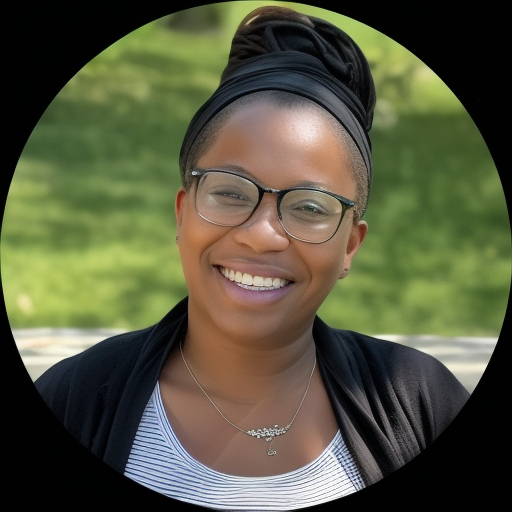
Licensed Professional Counselor (LPC) in Missouri with eight years of clinical experience, Tanadja Barber (TJ) focuses on LGBT concerns, relationship and intimacy issues, parenting stress, and coping with life changes. She integrates art-based work alongside verbal therapy and draws on evidence-informed practices to help people navigate identity, relationships, and burnout.
TJ works with adults managing pressure from others and the strain of cultural identity or discrimination. She pays attention to how community, family, and systemic forces shape feelings and behavior. Therapy sessions can include optional artmaking to support reflection when words are not enough.
Her practical work includes noticing unhelpful patterns, strengthening boundaries, and addressing the inner critic that often increases shame and isolation. She uses techniques from cognitive behavioral approaches to identify thought and behavior cycles. Mindfulness practices influenced by dialectical behavior therapy are used to build moment-to-moment coping skills.
Relational-cultural ideas inform how TJ attends to connection and power in relationships. Existential perspectives are used to discuss meaning, values, and decisions during major life transitions. Art-based methods are offered as a way to access emotion and observation differently from talk alone.
Sessions aim to make daily life more manageable rather than promise quick fixes. People who choose TJ often want help balancing relationships, identity needs, and caregiving demands while preserving their sense of self.
Sheet 2
Approaches used in remote work and how they help
Tanadja uses art-based methods to let people express feelings nonverbally and reflect on themes that can be hard to name. Artmaking can support emotional expression, self-observation, and creative problem solving when words feel limited.She also uses cognitive behavioral techniques to identify unhelpful thoughts and behaviors and to practice concrete alternative responses. These approaches help with relationship patterns, anxiety about identity, and everyday coping. DBT-informed mindfulness practices are used to build attention skills and tolerate strong emotions in the moment.
Finding the right approach is part of the work. The therapist collaborates with each person to decide whether art exercises, thought-focused work, or mindfulness skills fit their goals and preferences. Adjustments are made over time based on what helps most.
Confirm the session formats before booking since the biography does not list specific delivery modes. Online sessions can make it easier to fit therapy into a busy week, allow shorter check-ins when needed, and let people take part without traveling to an office. For practical reasons, some people choose remote work because it can reduce commute time, require less setup, or allow a quicker transition back to daily tasks.
Sheet 3
Areas of expertise
Primary focus
Experience
8+ years
Listed in
Missouri
Languages
English
Sheet 4
Frequently asked questions
What concerns does she address?
She works with LGBT issues, relationship and intimacy concerns, parenting stress, and coping with life changes.
What is her therapeutic style?
She combines artmaking with evidence-informed techniques such as cognitive behavioral methods, DBT-influenced mindfulness, relational-cultural ideas, and existential discussion.
How much clinical experience does she have?
TJ has eight years of clinical experience working with adults in community and clinical settings.
What are her credentials and where is she based?
She is a Licensed Professional Counselor (LPC) practicing in Missouri.
Which languages are offered?
Sessions are offered in English.
Does she work with international clients?
She does not accept international clients at this time.
How are sessions billed?
Cost varies by location; sessions use a subscription that can be canceled at any time.
How do I begin a first session?
Select the See online therapy options button, complete a short matching questionnaire, and schedule a first session.
Online talk therapy is not emergency care. If you are in danger, use the urgent help numbers.