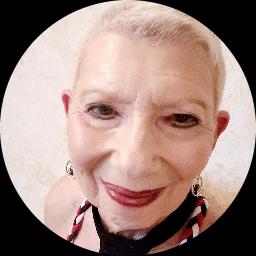
Sheet 1
- Stress and anxiety
- Addictions support
- Relationship and intimacy
About Sandra
LMFT in California with 40 years of clinical experience, Sandra Lynn-Fulcher focuses on stress, anxiety, addictions, relationships, intimacy-related issues, and coping with life changes. She practices in Southern California and conducts therapy in English. Sandra presents herself as a clinician who learns from each person’s experience and adapts her approach to meet individual needs.
Sandra uses a person-centered stance as the core of her work. She listens for each client’s perspective and builds goals together. Her background includes inpatient and outpatient care and many years in private practice. She has also taught counseling to students from diverse cultural and ethnic backgrounds.
Her clinical experience includes helping people with substance use concerns and the related effects on relationships. She has supported people through divorce, family transitions, grief, and general stress management. Sandra draws on several therapeutic methods to shape sessions, including cognitive behavioral techniques and systems ideas.
Sandra describes her role as a collaborative partner who helps clients set and reach practical goals. She notes that returning to school, parenting across life stages, loss, and long-term relationships have informed her perspective as a therapist. This background influences how she approaches problems in therapy.
Sessions focus on clear steps and skills alongside open listening. Sandra integrates tools from Acceptance and Commitment Therapy, Dialectical Behavior Therapy, and Attachment-Based work when those approaches fit the client's goals. The emphasis is on steady progress and on selecting strategies that match what the client wants to change.
Sheet 2
How her approaches are used in online work
Acceptance and Commitment Therapy (ACT) helps people clarify what matters to them and take small steps toward those values. It is often used for anxiety, stress, and life changes where motivation and flexibility matter.Attachment-Based Therapy looks at how early relationships shape current ways of connecting. It can help with intimacy-related concerns and recurring patterns in relationships by focusing on emotional bonds and repair.
Sandra treats finding the right approach as a cooperative process. She will work with the client to identify which methods fit their goals and preferences, and she adjusts techniques over time based on what helps most.
Confirm the current session options before booking so you know how she is offering sessions. Many people find online work helps fit therapy into a busy week, allows shorter check-ins when needed, or removes travel time. Discussing practical details during the matching questionnaire and first session helps match scheduling, pacing, and the mix of therapeutic techniques to everyday life.
Sheet 3
Areas of expertise
Primary focus
Therapeutic approaches
Experience
40+ years
Listed in
California
Languages
English
Sheet 4
Frequently asked questions
What kinds of problems does she address?
She works with stress, anxiety, addictions, relationship and intimacy issues, and coping with life changes.
What is her therapy style?
Her primary stance is person-centered; she listens and collaborates to set goals and uses techniques from several approaches as needed.
How much clinical experience does she have?
She has 40 years of professional experience in inpatient, outpatient, and private practice settings.
What credential does she hold and where does she practice?
She is an LMFT (Licensed Marriage and Family Therapist) practicing in California.
Which languages are sessions offered in?
Sessions are offered in English.
Can people outside the U.S. work with her?
She does not accept international clients at this time.
How are sessions arranged and paid for?
Cost varies with location; sessions use a subscription that can be canceled at any time.
How do I begin the process?
Select the See online therapy options button, complete a short matching questionnaire, and schedule a first session.
Online talk therapy is not emergency care. If you are in danger, use the urgent help numbers.