Sheet 1
- Client-Centered Therapy
- Cognitive Behavioral Therapy
- DBT skills
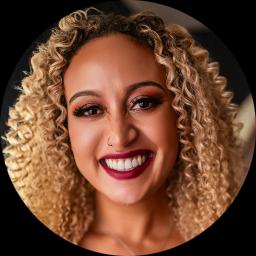
About Samantha
Samantha Tatum is a Licensed Clinical Social Worker (LCSW) practicing in California with nine years of professional experience. She focuses on stress, anxiety, grief, motivation and self-esteem, and helping people cope with life changes. Samantha also works with concerns related to ADHD, addictions, relationship and family challenges, trauma and abuse, parenting, career shifts, depression, LGBT issues, and compassion fatigue.
Samantha uses a straightforward, client-centered approach that puts the person's concerns first. She listens to what matters most and helps people name practical next steps. Her sessions often include tools from cognitive behavioral therapy to identify unhelpful thinking patterns and DBT skills to manage intense feelings and improve coping.
In sessions Samantha aims to create a space where clients can speak openly about thoughts and feelings without judgment. Conversations focus on current problems and on developing skills that can be used between meetings. She checks in about what is helping and what needs to change as work progresses.
Samantha pays attention to communication patterns and offers coaching-style guidance when clients want concrete strategies for problem solving. That can include role-play, behavioral experiments, or setting small goals to build confidence and motivation.
People who prefer clear feedback and practical tools may find her approach useful. She works in English and practices in California. To begin, readers are asked to use the site matching tools to schedule an initial session and complete a brief questionnaire before the first appointment.
Sheet 2
How her approaches are used in online sessions
Client-Centered Therapy focuses on listening and building a collaborative relationship. It involves the therapist reflecting back concerns and helping clients set goals that matter to them, which is useful for grief, motivation, and life changes.Cognitive Behavioral Therapy, or CBT, helps people identify and test unhelpful thoughts and then try new behaviors. It is often used for anxiety, depression, and stress by teaching practical exercises that can be practiced between meetings.
Dialectical Behavior Therapy, DBT, teaches concrete skills for managing strong emotions, tolerating distress, and improving interpersonal effectiveness. Those skills are often useful when emotions feel overwhelming or when communication patterns cause repeated problems.
Choosing an approach is a collaborative process. The therapist will talk with each person about goals, preferences, and what has helped in the past, then recommend a mix of techniques. The plan can change as progress is reviewed together.
Confirm available session options before booking because formats are not listed here. Online work can make it easier to fit appointments into a busy life, reduce travel time, allow shorter check-in meetings on a day off, or let people use sessions while balancing work and family commitments. Practical scheduling and format choices are discussed during the initial match and first meeting.
Sheet 3
Areas of expertise
Primary focus
Also works with
Additional focus areas
Therapeutic approaches
Experience
9+ years
Listed in
California
Languages
English
Sheet 4
Frequently asked questions
What kinds of concerns does she address?
She works with stress, anxiety, grief, coping with life changes, ADHD, addictions, relationship and family issues, trauma and abuse, parenting, career concerns, depression, LGBT issues, coaching needs, and compassion fatigue. Communication problems are an additional focus area.
What is her general therapy style?
She uses a client-centered approach that emphasizes listening and practical problem solving. Sessions also draw on CBT and DBT techniques to build skills and change unhelpful patterns.
How much experience does she have?
She has nine years of professional experience working with adults on a range of stressors and life transitions.
What are her credentials and where does she practice?
She is a Licensed Clinical Social Worker, LCSW, licensed in California and practicing there.
Which languages are supported for sessions?
Sessions are offered in English.
Can people outside the United States work with her?
She is not accepting international clients at this time.
How are sessions priced?
Cost varies with location and sessions use a subscription that can be canceled at any time.
What do I need to do to get started?
Use the site button to see online therapy options, complete a short matching questionnaire, and schedule a first session through the platform.
Online talk therapy is not emergency care. If you are in danger, use the urgent help numbers.