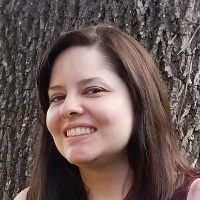
Sheet 1
- CBT methods
- Trauma-focused work
- Practical coping skills
About Rosemary
LMFT (Licensed Marriage and Family Therapist) in California with 12 years of experience. Rosemary Flores helps people facing stress, anxiety, depression, relationship strain, trauma and abuse, anger, grief, parenting challenges, intimacy concerns, self-esteem issues, bipolar disorder, ADHD, compassion fatigue, and coping with life changes.
Rosemary draws on Cognitive Behavioral Therapy and trauma-focused approaches when helpful. She uses practical, goal-oriented methods to identify triggers and build coping skills. Sessions focus on clear steps people can try between meetings and on strengthening everyday routines that reduce distress.
Her background includes community mental health work with low-income families and coordinating a residential mental health program for adolescent males on probation. She also supervises newer clinicians as they begin their careers. That experience informs her attention to concrete problem solving and to organizing care across systems.
In sessions she encourages direct self-expression and skill practice rather than long theory discussions. She checks in about what’s working and adjusts the approach as needed. The emphasis is on manageable changes that fit into family life and daily responsibilities.
To begin, people are asked to complete a short matching questionnaire and schedule an initial meeting. Her practice uses a subscription model that can be canceled at any time; fees vary by location. Confirm current session options before booking.
Sheet 2
How CBT and Trauma-Focused Work Translate to Remote Sessions
CBT, or Cognitive Behavioral Therapy, looks at how thoughts, feelings, and actions connect. In practice that means learning to notice unhelpful thoughts, try alternative ideas, and test changes with small behavioral experiments. It is commonly used for anxiety, depression, and stress-related problems.Trauma-Focused Therapy centers on helping people process difficult experiences and reduce their impact on daily life. This can involve learning grounding techniques, pacing difficult memories, and building safety and coping skills for triggers that come up in day-to-day routines.
Finding the right approach is part of the work. The therapist will discuss goals, review what has or hasn't helped in the past, and together decide which methods to emphasize. That collaborative process guides whether more CBT-focused or trauma-focused strategies are used and how they are combined.
Confirm current session options before booking as the biography does not list specific formats. Online sessions can make it easier to fit appointments around work, school, and caregiving by removing travel time. They also allow for shorter check-ins when a quick follow-up is useful, or for more regular brief sessions to maintain momentum between longer meetings.
Sheet 3
Areas of expertise
Primary focus
Also works with
Therapeutic approaches
Experience
12+ years
Listed in
California
Languages
English
Sheet 4
Frequently asked questions
What concerns does she address?
She supports people with stress, anxiety, depression, trauma and abuse, anger, grief, relationship and intimacy issues, parenting stresses, self-esteem, bipolar disorder, ADHD, compassion fatigue, and coping with life changes.
What is her therapeutic style?
Her approach is practical and goal-oriented. She focuses on identifying triggers, teaching coping skills, and testing steps people can use between sessions.
How much experience does she have?
She has 12 years of clinical experience working in community mental health and residential treatment settings, and she currently supervises newer clinicians.
What are her credentials and location?
She is a Licensed Marriage and Family Therapist (LMFT) licensed in California and practices from that state.
Which languages are supported?
Sessions are offered in English.
Can international clients work with her?
She is not accepting international clients at this time.
How are fees and payment handled?
Fees vary with location and sessions are provided through a subscription model that can be canceled at any time.
How do I start a first session?
Begin by selecting the See online therapy options button, complete a short matching questionnaire, and then schedule your initial appointment.
Online talk therapy is not emergency care. If you are in danger, use the urgent help numbers.