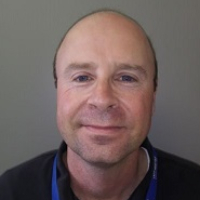
Sheet 1
- Client-Centered Therapy
- Cognitive Behavioral Therapy
- Virginia based LCSW
About Roger
LCSW in Virginia with 13 years of experience, Roger Andrews helps people facing stress, anxiety, addictions, depression, relationship and family difficulties, trauma and abuse, grief, anger, self-esteem challenges, career questions, bipolar disorder, and coping with life changes.
Roger uses a mix of client-centered work and cognitive behavioral therapy (CBT). Sessions focus on clear goals and practical skills alongside listening and support. He collaborates with each person to build a plan that fits their situation and concerns.
Over more than a decade in practice, Roger has provided counseling and psychotherapy for people reporting depression, anxiety, adjustment concerns, relationship problems, and trauma-related issues. He has also worked with individuals managing addiction and substance misuse, and has experience supporting people with bipolar disorder and schizophrenia.
In a typical session he balances active skills training with open-ended discussion. CBT techniques are used to identify unhelpful thinking and to build coping strategies. The client-centered side emphasizes respect and working from the person’s own goals.
Roger describes treatment planning as a collaborative process. He invites clients to set priorities, try approaches, and adjust plans as needed. The emphasis is on practical steps that can be used between sessions to manage symptoms and make daily life easier.
Sheet 2
How his approaches shape online work
Client-centered therapy focuses on listening, respect, and working from the client's goals. In practice this means Roger spends time understanding what matters most to the person and adjusts the session to those priorities.Cognitive behavioral therapy (CBT) looks at how thoughts, feelings, and actions connect. CBT sessions teach specific skills such as thought records, behavior experiments, and coping techniques that help with anxiety, depression, and stress-related problems.
Finding the right approach is part of the work. He will collaborate with each person to decide which methods to use based on their needs, goals, and preferences. Plans can be adjusted as progress is reviewed.
Confirm current session options before booking, as formats are not specified here. Online work can make it easier to fit sessions into a busy week, shorten check-ins when needed, and avoid travel time. It can also allow sessions that use fewer visual demands or that focus on skill practice between meetings. Ask about the specific session formats offered when you choose the See online therapy options button.
Sheet 3
Areas of expertise
Primary focus
Also works with
Therapeutic approaches
Experience
13+ years
Listed in
Virginia
Languages
English
Sheet 4
Frequently asked questions
What concerns does he address?
He works with stress, anxiety, addictions, depression, relationship and family issues, trauma and abuse, grief, anger, self-esteem, career questions, bipolar disorder, and coping with life changes.
What is his therapeutic style?
He blends client-centered therapy with cognitive behavioral therapy. That means he uses listening and goal-setting alongside practical skills to change thinking and behavior.
How much experience does he have?
He has 13 years of experience providing counseling and psychotherapy.
What are his credentials and where is he based?
He is a Licensed Clinical Social Worker (LCSW) licensed in Virginia and practices in that state.
Which languages are used in sessions?
Sessions are offered in English.
Can people outside the US work with him?
He does not accept international clients at this time.
How are sessions paid for?
Cost varies with location. Sessions use a subscription model that can be canceled at any time.
What steps are needed to begin?
Select the See online therapy options button, complete a short matching questionnaire, and schedule a first session.
Online talk therapy is not emergency care. If you are in danger, use the urgent help numbers.