Sheet 1
- Stress and anxiety
- Addictions and process issues
- Relationship skills
About Robert
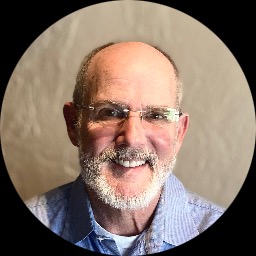
Robert Taylor is an LPC, Licensed Professional Counselor, and an LPCC, Licensed Professional Clinical Counselor, licensed in Colorado with 40 years of clinical experience. He focuses on stress, anxiety, addictions, relationship concerns, trauma and abuse, and self esteem. He also gives attention to blended family issues, cancer-related concerns, codependency, communication problems, fatherhood issues, and several other life challenges. Sessions are conducted in English and he accepts international clients.
Taylor favors straightforward, skills-based work when addressing relationship concerns. He uses methods that help people notice patterns, practice new ways of interacting, and solve specific problems. He aims for sessions that let people talk about their thoughts and feelings without judgment.
In practice he draws on client-centered work to follow the person’s concerns, cognitive behavioral techniques to identify and change unhelpful thinking and behavior, and emotionally-focused ideas to address strong feelings in relationships. He brings elements of existential and Imago approaches when questions about meaning or relationship dynamics arise.
Sessions tend to focus on clear, manageable steps. That can mean communication exercises, coping strategies for anxiety or cravings, or trying new responses in relationship moments. He also supports people facing life-limiting illness, end-of-life issues, and grief related to hospice and caregiving.
He directs his work toward concrete problems like infidelity, jealousy, process addictions, and first responder stress. Robert Taylor prefers a practical stance that helps people take the next step rather than staying stuck in theory.
Sheet 2
How his approaches translate to online sessions
Client-centered therapy focuses on the person’s experience and helps the therapist follow what matters most to the client. Online work using this approach centers on the client’s concerns and preferences and shapes sessions around those topics. Cognitive Behavioral Therapy (CBT) targets patterns of thought and behavior. In an online context CBT often uses structured exercises, homework, and clear steps to reduce anxiety and manage addictive urges. Emotionally-Focused Therapy (EFT) concentrates on how emotions shape relationships and interactions. Online EFT sessions can help people name strong feelings, practice expressing needs, and rehearse new responses in relationship moments.Finding the right mix of approaches is part of the work. The therapist will review the client’s needs, goals, and preferences and then suggest which methods to try first. This is a collaborative decision and can be adjusted as therapy proceeds.
The biography does not list specific session formats, so confirm the available options before scheduling. Knowing the format helps plan practical matters like session length, whether to use video or not, and how to fit meetings into a weekday or evening routine. Online sessions can make it easier to fit therapy into busy days, allow for shorter check-ins when needed, and reduce travel time so people can focus on what they want to work on.
Sheet 3
Areas of expertise
Primary focus
Additional focus areas
Therapeutic approaches
Experience
40+ years
Listed in
Colorado, New Mexico
Languages
English
Sheet 4
Frequently asked questions
What concerns does he address?
He works with stress, anxiety, addictions, relationship difficulties, trauma and abuse, and self esteem issues. Additional focus areas include blended family matters, cancer, codependency, communication problems, fatherhood concerns, and process addictions.
What therapeutic approaches does he use?
He uses client-centered methods, cognitive behavioral therapy (CBT), emotionally-focused therapy (EFT), existential ideas, and Imago relationship techniques. Those approaches guide how he helps people change thoughts, manage feelings, and practice new interactions.
How much experience does he have?
He has 40 years of professional experience working with individuals and relationship concerns. That background includes work related to hospice, first responder issues, and long-term addiction support.
What are his credentials and location?
He holds the credentials LPC and LPCC, licensed in Colorado. Sessions are listed under those qualifications and take place with him as a Colorado-licensed counselor.
Which languages are supported?
Sessions are offered in English. He also accepts international clients.
What session formats are available?
The original biography does not list specific session formats. Confirm current session options with the service before booking so you know whether video, phone, or other formats are offered.
How is cost handled?
Cost varies with location and sessions use a subscription model that can be canceled at any time. Exact fee details depend on the chosen subscription and locale.
How do I begin working with him?
Start by selecting the See online therapy options button, complete the short matching questionnaire, and schedule a first session. That process connects you to the initial appointment steps.
Online talk therapy is not emergency care. If you are in danger, use the urgent help numbers.