Sheet 1
- ACT methods
- CBT strategies
- Attachment focus
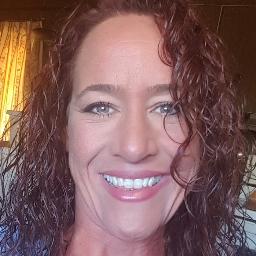
About Paula
LCSW in North Carolina with 20 years of experience, Paula Patterson helps people facing stress, anxiety, relationship and family concerns, trauma and abuse, depression, addictions, grief, and related issues. She also addresses intimacy concerns, parenting strain, anger, self-esteem, career changes, bipolar disorder, ADHD, and compassion fatigue. Sessions are conducted in English.
Paula uses practical, skills-based work alongside exploratory conversation. She draws on Acceptance and Commitment Therapy (ACT) to help people clarify values and take steady action. Cognitive Behavioral Therapy (CBT) is used to identify patterns of thought and behavior that keep problems going. She also integrates Attachment-Based and Client-Centered methods to look at relationship themes and strengthen self-understanding.
Clients often come with specific problems such as obsessive or compulsive patterns, jealousy, or seasonal mood shifts. Paula provides focused strategies for managing self-harm urges and supports processing of sexual assault and abuse when those themes are present. She aims to help people build coping tools they can use between sessions.
Over two decades in practice have involved working through complex emotional dynamics and personality-related struggles. Her LCSW credential means she is a licensed clinical social worker in North Carolina. That background guides a pragmatic, steady approach rather than a single fixed method.
People who prefer clear steps, evidence-informed skills work, and relational exploration may find her style useful. To start, patients are asked to complete a brief matching questionnaire and then schedule an initial session.
Sheet 2
How her approaches translate to online sessions
Acceptance and Commitment Therapy (ACT) focuses on helping people clarify what matters to them and take committed actions toward those values while learning to live with difficult thoughts and feelings. It can help with anxiety, depression, and life transitions by encouraging practical behavior change. Cognitive Behavioral Therapy (CBT) looks at the links between thoughts, feelings, and behaviors and uses exercises to change unhelpful patterns; it is commonly used for anxiety, OCD symptoms, and mood concerns. Attachment-Based Therapy examines how early and current relationships influence emotions and coping, which can be useful for relationship challenges and intimacy-related issues.Finding the right approach is part of the work. The therapist collaborates with each person to decide which methods fit their goals and preferences. That may mean mixing ACT, CBT, attachment-focused work, and client-centered conversation over several sessions to find what helps most.
Session formats are not specified here, so confirm current options before booking. Online sessions commonly make it easier to fit therapy into busy schedules, allow shorter check-ins when needed, and remove travel time. They also let people use phone-only meetings if bandwidth is limited or video is difficult. The focus is on making therapy practical and usable within day-to-day life rather than on any single delivery style.
Sheet 3
Areas of expertise
Primary focus
Also works with
Additional focus areas
Therapeutic approaches
Experience
20+ years
Listed in
North Carolina
Languages
English
Sheet 4
Frequently asked questions
What concerns does she address?
She works with stress, anxiety, depression, relationship and family issues, trauma and abuse, addictions, grief, intimacy concerns, parenting strain, anger, self-esteem, career change, bipolar disorder, ADHD, and related areas.
What therapeutic approaches does she use?
Her practice uses Acceptance and Commitment Therapy (ACT), Cognitive Behavioral Therapy (CBT), Attachment-Based Therapy, Client-Centered Therapy, and Dialectical Behavior Therapy (DBT) as tools depending on the client's needs.
How much experience does she have?
She has 20 years of clinical experience working with a range of emotional and behavioral concerns.
What are her credentials and where is she licensed?
She holds an LCSW credential and is licensed as an LCSW in North Carolina.
Which languages are supported?
Sessions are offered in English.
Does she work with international clients?
International clients are not currently accepted.
How are sessions scheduled and what does cost look like?
Cost varies with location and work is provided through a subscription model that can be canceled at any time.
How do I begin the process?
Start by selecting the See online therapy options button, complete a short matching questionnaire, and then schedule your first session.
Online talk therapy is not emergency care. If you are in danger, use the urgent help numbers.