Sheet 1
- Stress and anxiety
- Drug and alcohol addiction
- Anger and mood
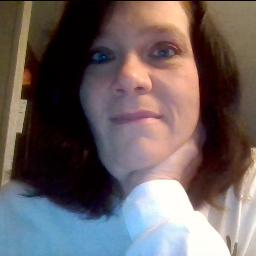
About Miranda
Licensed Professional Counselor (LPC) in Alabama with 19 years of experience, Miranda Phillips focuses on stress, anxiety, addictions, anger, bipolar disorder, and mood concerns. She works with people who are feeling overwhelmed by symptoms such as panic attacks or persistent low mood. Sessions emphasize practical steps and clear conversation rather than jargon.
Miranda approaches therapy as a collaboration. She treats each person as the expert on their own life and builds on existing strengths. That means looking at what already works, and trying small, doable changes when something isn’t helping.
Her work includes addressing substance use and drug and alcohol addiction alongside mood conditions. She also supports people dealing with disruptive mood dysregulation and panic symptoms. Miranda uses evidence-based therapeutic techniques to guide treatment choices, focusing on methods that match the client’s goals.
Sessions are focused and goal-oriented. Miranda helps people develop coping skills for anxiety and anger, create plans for managing bipolar mood shifts, and reduce harmful patterns tied to addiction. Conversations often include clear skill practice and real-world problem solving.
People who prefer straightforward, collaborative sessions tend to fit well with her style. Miranda encourages small experiments between visits and practical ways to track progress. The emphasis is on building habits that make daily life easier and less stressful.
Sheet 2
How Miranda Matches Therapy Approaches to Needs
Miranda uses evidence-based therapeutic techniques grounded in practical exercises and skill building. One common approach focuses on teaching coping skills for anxiety and panic - learning breathing strategies, brief exposure tasks, and steps to reduce avoidance. These tools help lower the intensity of panic attacks and make anxious moments more manageable.Another approach concentrates on mood regulation for people with bipolar disorder and disruptive mood dysregulation. This involves identifying early warning signs, planning daily routines that support mood stability, and practicing small behavioral changes to reduce mood swings. For addiction concerns, she incorporates structured behavior-focused work to identify triggers and replace harmful patterns with safer routines.
Choosing the right approach is collaborative. Miranda works with each person to compare methods, try them out, and adjust based on what helps most. The therapist and client set goals together and track small steps forward over time.
Session formats are not specified in the biography, so confirm current session options before booking. Online sessions can make it easier to fit therapy into a busy schedule, reduce travel time, and allow for shorter check-ins when needed. Licensed professionals in online formats can offer practical continuity of care that fits into everyday life.
Sheet 3
Areas of expertise
Primary focus
Additional focus areas
Experience
19+ years
Listed in
Alabama
Languages
English
Sheet 4
Frequently asked questions
What concerns does she address?
Miranda works with stress, anxiety, addictions, anger, bipolar disorder, and depression. She also focuses on disruptive mood dysregulation disorder, mood disorders, and panic disorder and panic attacks.
What is her therapeutic style?
She uses evidence-based therapeutic techniques and a collaborative approach. Sessions emphasize practical skills and building on a person’s existing strengths.
How much experience does she have?
She has 19 years of professional experience in clinical settings and counseling work.
What are her credentials and location?
She is an LPC, a Licensed Professional Counselor, practicing in Alabama.
Which languages are supported?
Sessions are offered in English.
Does she work with international clients?
She does not accept international clients at this time.
How is cost handled?
Cost varies by location and sessions use a subscription model that can be canceled at any time.
How do I begin sessions?
Start by selecting the See online therapy options button, completing a short matching questionnaire, and scheduling a first session.
Online talk therapy is not emergency care. If you are in danger, use the urgent help numbers.