Sheet 1
- Stress and anxiety
- Addiction support
- Trauma and abuse
About Michael
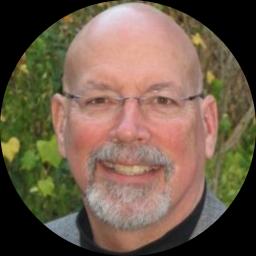
LMHC Michael Slik is a New York licensed mental health counselor with 35 years of experience. He helps people who are dealing with stress, anxiety, addiction, trauma and abuse, relationship strain, anger, and depression. Michael works in English and practices from New York.
Michael focuses on making the therapy room direct and understandable. He invites clients to name the problems they want to address, then works alongside them to try different ways of coping. Sessions emphasize clear conversation about thoughts and feelings and practical steps to change patterns that cause distress.
He has long experience with addictive behaviors and trauma-related concerns. That experience informs how he structures sessions when someone is struggling with relapses, triggers, or difficult memories. He also helps people who are managing persistent worry, low mood, or anger that affects daily life.
Michael aims for straightforward interaction rather than clinical jargon. He listens to what a person says and offers strategies and feedback to test between sessions. Progress is reviewed together so plans can be adjusted as needed.
Starting therapy with him involves an initial sign-up and a brief matching questionnaire to identify goals. He encourages people to take that first step and to schedule a first session once the match is complete.
Sheet 2
Therapeutic approaches and remote sessions
Michael uses evidence-based therapeutic techniques that focus on changing unhelpful patterns and building coping skills. One commonly used approach helps people identify and shift thought and behavior patterns that fuel anxiety and depression, using practical exercises and real-world practice to reduce symptoms over time.For addiction and trauma-related work he applies approaches that address triggers and teach relapse prevention skills. These methods include developing concrete plans for difficult situations, practicing coping responses, and gradually working through memories or cues that maintain distress.
Finding the right approach is part of the work. The therapist collaborates with each person to decide which methods to try based on their goals, preferences, and how they respond in early sessions. Plans are adjusted together as progress and challenges become clearer.
The original biography does not list which session formats are offered, so confirm current options before booking. Online sessions can make it easier to fit therapy into a busy life by removing transit time and allowing meetings during breaks or at flexible hours. They can also enable shorter check-ins when needed and avoid the need to travel to an office.
Sheet 3
Areas of expertise
Primary focus
Also works with
Experience
35+ years
Listed in
New York
Languages
English
Sheet 4
Frequently asked questions
What concerns does he work with?
He works with stress, anxiety, addictions, trauma and abuse, LGBT concerns, relationship issues, anger, and depression.
How would you describe his therapeutic style?
He uses straightforward conversation and practical strategies to address thoughts, feelings, and behaviors. Sessions focus on testing coping skills and reviewing progress together.
How much experience does he have?
He has 35 years of professional work experience in mental health practice.
What are his credentials and where is he based?
He is a Licensed Mental Health Counselor (LMHC) licensed in New York and practices from New York.
Which languages are supported?
Sessions are offered in English.
Can people outside the United States work with him?
He does not accept international clients at this time.
What session formats are offered?
The biography does not specify session formats. Confirm current session options before booking.
How does billing and getting started work?
Cost varies with location and sessions use a subscription that can be canceled at any time. To begin, select the See online therapy options button, complete a short matching questionnaire, and schedule a first session.
Online talk therapy is not emergency care. If you are in danger, use the urgent help numbers.