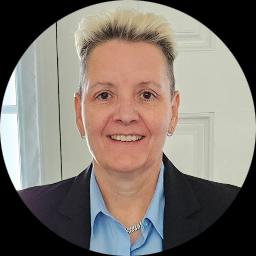
Sheet 1
- Stress reduction
- Communication skills
- Panic management
About Margaret
LPMHC clinician in Delaware with six years of experience supporting people with stress, anxiety, depression, and relationship concerns. Margaret O'Bara works with individuals facing communication problems, panic disorder and panic attacks, and struggles with self-esteem.
She centers sessions on each person's values and worldview. Margaret pays attention to a client's beliefs, including faith if that matters to them. Sessions focus on practical communication skills and on talking through what feels most urgent right now.
Margaret uses evidence-based therapeutic techniques to help people reduce symptoms and improve day-to-day functioning. She listens without judgment and helps clients clarify what they want to change. The work is collaborative: she and the client set goals and try methods that fit the client's life.
When panic or severe anxiety are present, the approach emphasizes concrete strategies to manage symptoms in the moment and to reduce their frequency over time. For relationship strain she teaches communication tools and ways to set boundaries.
Clients who prefer a values-informed approach will find sessions that respect belief systems while focusing on skills and problem solving. People who want clear steps and practical practice tend to do well with her style.
Sheet 2
How therapeutic approaches translate to online work
Evidence-based techniques are used to address anxiety and panic by teaching specific coping skills and step-by-step practices. These methods focus on identifying triggers, learning breathing and grounding exercises, and rehearsing responses to reduce the intensity of panic and anxiety over time.For relationship and communication concerns the work centers on concrete skill-building. That includes practicing clear requests, active listening exercises, and ways to set and maintain boundaries. The goal is to give people tools they can use between sessions. Finding the right approach is a collaborative process. The therapist will review the client’s needs, goals, and preferences and suggest techniques to try. Methods can be adjusted based on what the client finds most helpful during early sessions. If you plan to meet remotely, confirm which session formats are currently offered before booking. Online work can make it easier to fit appointments into a busy week, allow shorter check-ins when needed, and avoid travel time. It also lets clients practice skills in their usual routines, which can help transfer learning into everyday life.
Sheet 3
Areas of expertise
Primary focus
Additional focus areas
Experience
6+ years
Listed in
Delaware
Languages
English
Sheet 4
Frequently asked questions
What concerns does she address?
She focuses on stress, anxiety, depression, relationship issues, and self-esteem. Additional focus areas include communication problems and panic disorder with panic attacks.
What is her therapeutic style?
She uses evidence-based therapeutic techniques and emphasizes practical communication skills. Sessions are collaborative and guided by each person’s values.
How much clinical experience does she have?
She has six years of experience working with individuals on anxiety, depression, and relationship concerns.
What are her credentials and where is she located?
She holds the LPMHC credential and practices in Delaware.
Which languages are supported?
Sessions are offered in English.
Can people from other countries work with her?
She does not accept international clients at this time.
What session formats are available?
Session formats are not specified in the biography; please confirm current session options before booking.
How are fees and billing handled?
Cost varies with location and sessions use a subscription that can be canceled at any time.
Online talk therapy is not emergency care. If you are in danger, use the urgent help numbers.