Sheet 1
- Person-centered approach
- Cognitive behavioral tools
- Solution-focused goals
About Linda
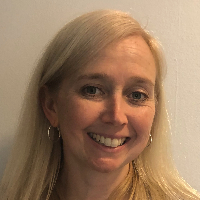
Licensed Clinical Social Worker (LCSW) in New Jersey with 18 years of experience. Linda Delany-Glassman focuses on stress, anxiety, self-esteem, depression, coping with life changes, LGBT concerns, relationship and family issues, trauma and abuse, grief, sleep problems, parenting, anger, bipolar disorder, and ADHD. She uses person-centered care alongside cognitive behavioral and solution-focused techniques.
Linda earned her Master of Social Work from Rutgers University with a specialization in Children and Families. She has worked in outpatient mental health settings for over a decade. Earlier in her career she provided in-home therapy for children in the foster care system. Those roles shaped how she structures sessions and sets goals with people.
Her sessions tend to be practical and goal-oriented. She uses cognitive behavioral strategies to notice and change unhelpful thoughts and behaviors. Solution-focused techniques are used to set clear, short-term goals and build on existing strengths.
Linda emphasizes the therapeutic relationship as part of the work. She aims to help people identify realistic steps toward improvement. Conversations, skill practice, and small experiments between sessions are common elements of her approach.
She works with children, adolescents, and adults across a range of concerns. Treatment plans typically balance immediate coping tools with longer-term skill building. Clients can expect straightforward explanations and concrete steps to try between meetings.
Sheet 2
How her approaches translate to online work
Linda commonly uses cognitive behavioral techniques, which involve identifying unhelpful thoughts and trying new behaviors to reduce distress. This method is useful for anxiety, depression, sleep issues, and many everyday stressors. Solution-focused work is also part of her practice; it centers on setting concrete, achievable goals and building small, practical steps toward them.She takes a person-centered stance in sessions, meaning the therapist and client collaborate to choose which methods feel most useful. Finding the right mix of techniques is part of the process, and she will work with the client to adjust methods based on their goals and preferences.
Confirm the exact session formats before booking, as the biography does not list them explicitly. Online sessions can make it easier to fit therapy into a busy schedule, allow short check-ins during a workday break, and reduce travel time. They also let people use approaches like thought records, behavioral experiments, and brief skills practice between meetings without needing to be in an office.
Sheet 3
Areas of expertise
Also works with
Experience
18+ years
Listed in
New Jersey
Languages
English
Sheet 4
Frequently asked questions
What kinds of problems does she address?
She supports people with stress, anxiety, depression, trauma and abuse, grief, sleep problems, parenting challenges, anger, bipolar disorder, ADHD, relationship and family concerns, and LGBT issues.
What is her therapeutic style?
She uses a person-centered style combined with cognitive behavioral and solution-focused techniques. Sessions focus on practical steps, thought patterns, and short-term goals.
How long has she practiced?
The therapist has 18 years of experience in the mental health field, including more than ten years in outpatient practice and prior in-home work with children in foster care.
What are her credentials and where is she based?
She is a Licensed Clinical Social Worker (LCSW) licensed in New Jersey and practices from that state.
Which languages are used in sessions?
Sessions are offered in English.
Can people outside the U.S. work with her?
International clients are not currently accepted.
How much do sessions cost?
Cost varies with location; sessions are provided through a subscription that can be canceled at any time.
How do I begin working with her?
Start by selecting the See online therapy options button, completing a short matching questionnaire, and scheduling a first session.
Online talk therapy is not emergency care. If you are in danger, use the urgent help numbers.