Sheet 1
- Goal-directed treatment
- Mindfulness techniques
- CBT and ACT methods
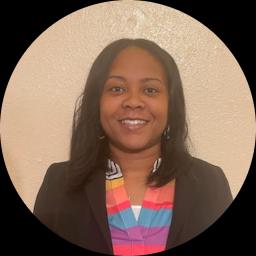
About Latasha
LCSW Latasha Hicks has 11 years of clinical experience and practices in Louisiana. She focuses on stress, anxiety, relationship challenges, trauma and abuse, grief, depression, and ADHD. Her approach uses Acceptance and Commitment Therapy, Client-Centered Therapy, Cognitive Behavioral Therapy, Emotionally-Focused Therapy, and Mindfulness Therapy.
Latasha favors goal-directed treatment. She begins with an assessment and helps set one or more concrete goals. Sessions then focus on practical steps that move toward those goals in a time-efficient way.
She describes her style as collaborative and supportive. Conversations are shaped around the person's concerns and the plan is adjusted as progress is tracked. The work is straightforward and focused on actions people can use between sessions.
Latasha draws from several evidence-based methods. She uses exercises from cognitive behavioral therapy to address thoughts and behavior. Mindfulness-based techniques help people manage stress and strong emotions. Emotionally-focused ideas guide work on relationship patterns.
Her background includes long-term work with trauma, including domestic violence and sexual abuse, and behavior-focused interventions. That experience informs how she assesses safety, coping, and stabilization before moving into deeper processing. She also helps people manage mood, anxiety, and grief with structured goals and skill practice.
Sessions are conducted in English and the practice is based in Louisiana. People who want to start are asked to complete a short matching questionnaire and schedule a first session through the See online therapy options button.
Sheet 2
Therapeutic approaches used in online sessions
Acceptance and Commitment Therapy (ACT) helps people notice difficult thoughts and feelings without letting them dictate actions. It focuses on clarifying values and building small, meaningful steps toward a life the person values, which can be useful for anxiety, stress, and depression.Client-Centered Therapy centers on an open, nonjudgmental conversation where the therapist follows the person's lead. This approach is helpful for building trust, exploring relationship concerns, and strengthening self-understanding.
Finding the right approach is part of the work. The therapist will talk with the person about goals, preferences, and what has helped or not helped in the past. Together they will try methods and adjust the plan based on what fits and what produces change.
Confirm the specific session formats available before booking, as the biography does not list formats. Online sessions can make it easier to fit therapy into everyday life - for example shorter check-ins can work around a busy schedule, or video sessions allow for a fuller conversation when time permits. Licensed professionals often use these practical options to keep therapy consistent with daily responsibilities and to support steady progress.
Sheet 3
Areas of expertise
Primary focus
Also works with
Therapeutic approaches
Experience
11+ years
Listed in
Louisiana, Maine
Languages
English
Sheet 4
Frequently asked questions
What concerns does she address?
She works with stress, anxiety, relationship issues, trauma and abuse, grief, depression, and ADHD.
What is her therapeutic style?
Her practice is collaborative and supportive. She uses goal-directed plans and practical steps focused on progress.
How much clinical experience does she have?
She has 11 years of experience as an LCSW practicing in Louisiana.
What credentials and location are listed?
She holds LCSW credentials and is based in Louisiana with LA LCSW and ME LCSW noted.
Which languages are supported?
Sessions are offered in English.
Can international clients work together?
International clients are not currently accepted.
How are sessions arranged and paid for?
Cost varies with location; sessions use a subscription that can be canceled at any time.
How do I begin a first session?
Select the See online therapy options button, complete a short matching questionnaire, and schedule a first session.
Online talk therapy is not emergency care. If you are in danger, use the urgent help numbers.