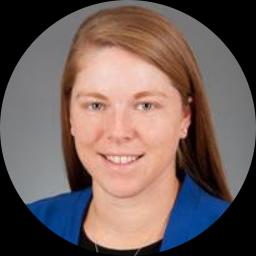
Sheet 1
- Grief support
- Caregiver stress
- Career transition
About Katrina
Katrina Welch is a Licensed Independent Clinical Social Worker (LICSW) in Massachusetts with eight years of practice. She focuses on family concerns, grief, career transitions, coping with life changes, and compassion fatigue. She also works with people affected by cancer, caregiver stress, chronic pain, illness, and disability.
Katrina uses plain, practical talk in sessions. She helps people name what is hardest, sort priorities, and build small routines that reduce overwhelm. Meetings focus on coping skills, problem solving, and strategies that fit day-to-day life.
Her work often centers on the realities of caregiving and long-term health challenges. She supports people who are managing appointments, household strain, and role changes. She also helps those processing loss and the uncertainty that follows major life shifts.
Sessions include time to reflect and time for concrete planning. Clients can expect help with communication around family stress, pacing during illness, and steps to explore career changes. The aim is steady, usable change rather than quick fixes.
Katrina draws on evidence-based therapeutic techniques to guide treatment choices. She collaborates with each person to set goals and adjust approaches as needs change. To start a series of sessions, people are asked to follow the site process to match and schedule a first appointment.
Sheet 2
How evidence-based techniques are used in online work
Katrina uses evidence-based therapeutic techniques that focus on practical coping and problem solving. One approach emphasizes building concrete skills to manage stress and day-to-day demands; it helps with tasks like pacing activity during illness, structuring caregiving routines, and reducing overwhelm. Another approach concentrates on processing grief and change through guided reflection and stepwise behavioral adjustments to restore routine and meaning.Finding the right approach is part of the work together. Katrina will review a person’s situation, goals, and preferences and recommend methods to try. She adjusts plans based on what helps most and keeps the client involved in decisions about next steps.
Confirm current session options before booking so you know which formats are offered. Online sessions can make it easier to fit therapy into busy days, reduce travel time, and allow shorter check-ins when needed. Therapists often use these sessions to maintain continuity of care during medical treatment, manage caregiver scheduling, or support someone balancing work and appointments.
Sheet 3
Areas of expertise
Primary focus
Additional focus areas
Experience
8+ years
Listed in
Massachusetts
Languages
English
Sheet 4
Frequently asked questions
What kinds of concerns does she address?
She supports people with family-related stress, grief, career questions, coping with life changes, and compassion fatigue. Additional focus areas include cancer, caregiver issues, chronic pain, illness, and disability.
How would you describe her therapeutic style?
She uses plain, practical conversation and collaborative planning. Sessions mix emotional processing with hands-on coping strategies and problem solving.
How much clinical experience does she have?
She has eight years of experience as a clinician working with people facing caregiver demands, chronic health issues, grief, and life transitions.
What are her credentials and where does she practice?
She holds an MA and is a Licensed Independent Clinical Social Worker (LICSW) practicing in Massachusetts.
Which languages are used in sessions?
Sessions are offered in English.
Are international clients accepted?
International clients are not currently accepted.
How are sessions paid for and what does it cost?
Cost varies by location. Sessions use a subscription that can be canceled at any time.
What are the steps to begin working with her?
Use the See online therapy options button, complete the short matching questionnaire, and schedule a first session through the site process.
Online talk therapy is not emergency care. If you are in danger, use the urgent help numbers.