Sheet 1
- Stress management
- LGBT concerns
- Skill building
About Jill
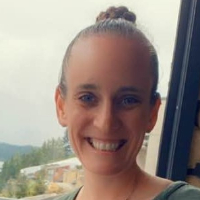
Jill Markowitz is a Licensed Mental Health Counselor (LMHC) and a Licensed Professional Counselor (LPC) with five years of clinical experience, based in Connecticut. She works with people dealing with depression, anxiety, grief, life transitions, and members of the LGBTQ+ community. Jill focuses on practical support and skill-building alongside listening and reflection.
She begins by asking about current concerns and life context. Jill treats clients as experts on their own lives and partners with them to set clear goals. Sessions mix talking through feelings with learning concrete tools to use between appointments.
Her approach emphasizes collaboration. Jill explains that therapy takes time and sometimes brings up difficult material. She stays with clients through that process and helps translate insight into everyday steps for change.
Jill commonly addresses stress, self-esteem, relationship and family concerns, parenting strain, addictive behaviors, trauma and abuse, eating issues, anger, career questions, bipolar mood patterns, coping with life changes, compassion fatigue, and ADHD-related challenges.
She offers straightforward guidance aimed at making daily life more manageable. New clients complete an initial questionnaire and then schedule a first session to begin shaping goals and strategies.
Sheet 2
How her approaches are used and what online sessions involve
Jill describes her work as combining listening with practical skill-building. Two evidence-based approaches she commonly uses are cognitive strategies and emotion-focused work. Cognitive strategies help people notice and change unhelpful thinking patterns that feed anxiety and depression. Emotion-focused work helps identify, name, and process strong feelings that come from grief, trauma, or relationship stress.Another element she draws on is behavioral activation - encouraging small, achievable actions that can lift mood and reduce avoidance. That approach is useful for depression, low motivation, and getting back into routines after a life change.
Choosing the right approach is part of the process. Jill will collaborate with each client to match techniques to their symptoms, goals, and preferences. She asks questions, reviews what has or hasn’t worked before, and adjusts methods as needed so the plan fits the person rather than imposing a single model.
The biography did not specify which session formats are offered, so confirm current online session options before booking. In practice, remote sessions can make it easier to fit therapy around work or caregiving, remove travel time, and allow shorter check-ins when needed. Many people find that meeting remotely helps maintain consistency and integrate new tools into everyday life.
Sheet 3
Areas of expertise
Primary focus
Also works with
Experience
5+ years
Listed in
New York, Connecticut
Languages
English
Sheet 4
Frequently asked questions
What issues does she address?
She works with stress, anxiety, depression, grief, trauma and abuse, and related concerns such as self-esteem, addictions, eating issues, and compassion fatigue.
How would you describe her therapeutic style?
She uses a collaborative, goal-focused style that combines listening with practical skills and tools to apply between sessions.
How much clinical experience does she have?
She has five years of experience working as a mental health counselor and professional counselor.
What are her credentials and where is she based?
She holds LMHC and LPC credentials and practices from Connecticut.
Which languages are supported?
Sessions are offered in English.
Can people outside the US work with her?
She does not accept international clients at this time.
What are the session formats available?
The original biography does not list specific session formats; confirm current session options before booking.
How are fees and the subscription handled?
Cost varies with location and sessions use a subscription model that can be canceled at any time.
Online talk therapy is not emergency care. If you are in danger, use the urgent help numbers.