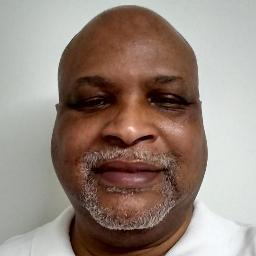
Sheet 1
- Cognitive Behavioral Therapy
- Mindfulness Therapy
- Solution-Focused work
About James
LICSW in the District of Columbia with 10 years of clinical experience, James Campbell helps people manage stress, anxiety, trauma, grief, depression, addictions, relationship and intimacy concerns, self-esteem, career issues, and ADHD. He also works with issues related to LGBT identity, gender dysphoria, HIV/AIDS, communication problems, and compulsive or obsessive behaviors. Sessions address practical problems and coping strategies rather than medical diagnosis.
James draws on Cognitive Behavioral Therapy, Mindfulness Therapy, Motivational Interviewing, Solution-Focused Therapy, and Trauma-Focused Therapy in his work. He uses clear, goal-oriented conversations to identify what is most pressing. He helps people notice unhelpful thoughts, try small behavior changes, and practice skills that reduce distress.
Before his current role he spent many years in public service. He has experience as a supervisor, program manager, administrator, and clinic director within District of Columbia agencies focused on children, families, and school mental health. That background informs his focus on practical problem solving and systems that affect daily life.
In sessions he tends to be direct and action-focused. He helps people set manageable goals, track progress, and adjust approaches when needed. He also runs workshops on fatherhood and presents at conferences about men’s issues.
People who choose James can expect straightforward conversation about current problems and steps to try between meetings. He asks for clear goals and uses evidence-informed methods to address symptoms, behavior, and communication patterns.
Sheet 2
How his approach and online sessions work
James uses Cognitive Behavioral Therapy to help people identify unhelpful thoughts and test small behavior changes. CBT focuses on the link between thinking, feeling, and doing, and it is often used for anxiety, depression, and stress. He also uses Mindfulness Therapy to teach brief attention and breathing practices that reduce reactivity and help with mood and stress regulation.Motivational Interviewing is another method he draws on to support people who are weighing change or struggling with habits. That approach uses open questions and reflective listening to clarify a person's reasons for change and to build motivation. Together these methods give practical, step-by-step tools rather than long theoretical discussion.
Choosing the right approach is a collaborative process. He reviews concerns and goals with each person and adapts methods based on responses and preferences. The initial sessions focus on priorities and a simple plan, with regular checks to see what is working.
Session formats are not specified in the biography, so confirm the current options before booking. Online sessions can make it easier to fit work on mental health into a busy schedule by reducing travel and allowing shorter or more frequent check-ins when needed. They also let people continue therapy while managing appointments, work, or caregiving responsibilities.
Sheet 3
Areas of expertise
Primary focus
Also works with
Additional focus areas
Therapeutic approaches
Experience
10+ years
Listed in
District of Columbia
Languages
English
Sheet 4
Frequently asked questions
What concerns does he work with?
He supports people facing stress, anxiety, trauma and abuse, grief, depression, addictions, relationship and intimacy issues, self-esteem problems, career stress, ADHD, and related concerns listed in his specialties.
What is his therapeutic style?
He uses direct, goal-focused sessions that emphasize practical skills. He combines talk, behavioral experiments, and mindfulness practices to address everyday problems.
How much clinical experience does he have?
He has 10 years of clinical practice noted here and a long history of public service in District of Columbia mental health programs and leadership roles.
What are his credentials and location?
He is a LICSW licensed in the District of Columbia. His practice is based in the District of Columbia.
Which languages are supported?
Sessions are offered in English.
Can international clients work with him?
International clients are not currently accepted.
How is payment handled?
Cost varies with location and sessions use a subscription model that can be canceled at any time.
How do I begin a session?
Start by selecting the See online therapy options button, complete a short matching questionnaire, and schedule a first session.
Online talk therapy is not emergency care. If you are in danger, use the urgent help numbers.