Sheet 1
- Psychodynamic approach
- CBT and DBT techniques
- Speaks English Arabic Armenian
About Harout
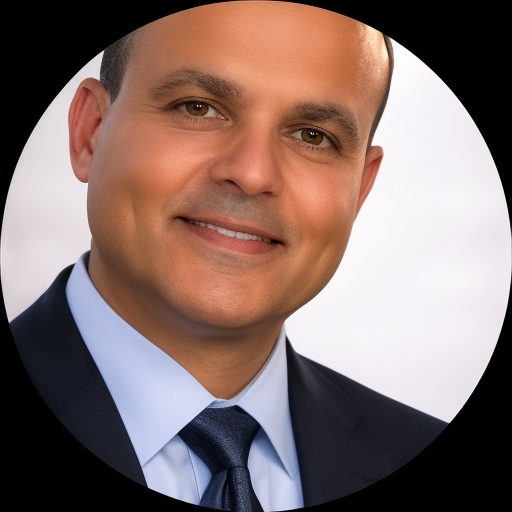
LMFT in California with 11 years of experience, Harout "Harry" Ohannessian focuses on adults facing stress, anxiety, relationship strain, trauma and related concerns. He speaks English, Arabic, and Armenian and uses a mix of approaches drawn from psychodynamic work and several behavioral methods.
Harry draws on psychodynamic ideas to help people understand patterns that keep causing pain. He also uses Cognitive Behavioral Therapy (CBT) and Dialectical Behavior Therapy (DBT) techniques when practical skills are needed to manage intense emotions or break unhelpful thinking habits. Motivational Interviewing and client-centered ideas appear in sessions to support change and keep conversations focused on the person's goals.
Sessions emphasize talking through difficult memories, current relationship problems, and changes that feel overwhelming. Harry notes work with trauma, sexual assault and abuse, grief, eating concerns, bipolar mood issues, paranoia, personality disorders, and compassion fatigue among his focus areas. He aims to clarify what is behind symptoms and to develop concrete ways to cope day to day.
He earned a Master of Arts in Clinical Psychology from Antioch University Los Angeles and a Bachelor of Arts in Sociology from California State University, Los Angeles. His license is LMFT in California. The cost of sessions varies by location and uses a subscription that can be canceled at any time.
To begin, a person selects the See online therapy options button, completes a short matching questionnaire, and schedules a first session. International clients are not currently accepted, so sessions are offered to people based in the United States.
Sheet 2
How his approaches translate to online work
Attachment-based ideas focus on patterns in close relationships. In online sessions this helps identify how early relationship experiences shape reactions to partners, friends, and family. It is useful for intimacy issues, trust concerns, and recurring relational conflicts.Client-centered therapy emphasizes listening and following the person's goals. In practice this means sessions prioritize the client's agenda and use reflective conversation to clarify values and next steps. This approach supports work on self-esteem, motivation, and coping with life changes.
Cognitive Behavioral Therapy (CBT) offers structured tools to change unhelpful thoughts and behaviors. Online CBT can include homework, skill-building, and short-term experiments to reduce anxiety or depressive symptoms and to manage eating or anger challenges.
Finding the right approach is part of the work. The therapist will review needs, goals, and preferences and then collaborate on which methods to use. That decision is revisited as progress is made so the plan can shift when helpful.
Session formats are not specified in the biography, so confirm current options before booking. Online sessions can make it easier to fit therapy into a busy schedule, allow shorter check-ins when time is limited, and let people choose sessions that match their energy level and day-to-day demands.
Sheet 3
Areas of expertise
Primary focus
Also works with
Additional focus areas
Therapeutic approaches
Experience
11+ years
Listed in
California
Languages
English, Arabic, Armenian
Sheet 4
Frequently asked questions
What kinds of problems does he address?
He works with stress, anxiety, relationship and trauma-related concerns, plus grief, eating issues, bipolar symptoms, anger, and compassion fatigue.
What style of therapy does he use?
His work centers on psychodynamic approaches alongside CBT, DBT, Motivational Interviewing, client-centered, and attachment-informed methods.
How much clinical experience does he have?
He has practiced psychotherapy since 2014, which is 11 years of experience working with adults on complex concerns.
What are his credentials and where is he based?
He is a Licensed Marriage and Family Therapist (LMFT) licensed in California and practices from that state.
Which languages are supported in sessions?
Sessions are offered in English, Arabic, and Armenian.
Can people outside the US work with him?
International clients are not currently accepted; sessions are offered to people located within the United States.
How are sessions priced?
Cost varies with location and sessions use a subscription model that can be canceled at any time.
What are the first steps to start therapy?
Begin by selecting the See online therapy options button, completing a short matching questionnaire, and scheduling a first session.
Online talk therapy is not emergency care. If you are in danger, use the urgent help numbers.