Sheet 1
- Stress and anxiety
- Addictions support
- Cognitive Behavioral Therapy
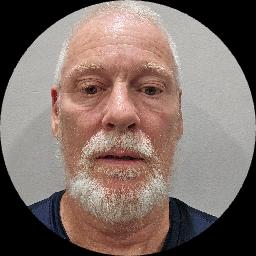
About Harold
Harold Kellogg is an LCSW - Licensed Clinical Social Worker in North Carolina with 26 years of professional experience. He focuses on stress, anxiety, addictions, family conflict, depression, and coping with life changes. He offers care informed by Cognitive Behavioral Therapy (CBT).
He starts by listening to each person's story and identifying strengths they already have. Sessions focus on practical steps that reduce distress and improve day-to-day functioning. CBT techniques are used to spot unhelpful thinking and try different behaviors to get better results.
Before his current practice he retired from the U.S. Navy after 32 years of service, including active and reserve duty. That background shaped his work with people facing severe stress and the aftereffects of military life. He has worked in both inpatient and outpatient settings across his career.
He has experience working with adolescents, adults, couples, and families in clinical settings. He has particular experience supporting combat veterans as they readjust and address traumatic memories related to PTSD.
In sessions he breaks concerns into manageable steps and tracks small changes over time. He encourages straightforward conversation about goals, setbacks, and what practical changes might help. To begin, clients complete a short matching questionnaire and then schedule a first session.
Sheet 2
How CBT translates to remote work
CBT is a hands-on approach that looks at how thoughts, feelings, and actions connect. In practice this means identifying specific thought patterns that increase anxiety or depression and testing new ways of thinking and acting to reduce symptoms and improve daily routines. This approach is useful for stress, anxiety, depression, and behaviors related to addictions.Harold uses CBT tools alongside straightforward conversation. He and the client decide together which techniques to try and when to adjust them. That collaborative process helps match methods to a person's goals and preferences rather than imposing a single route forward.
The biography does not list specific online session formats, so confirm the available options before booking. In general, remote sessions can make scheduling easier and reduce travel time. They can also allow shorter check-ins when people need quick support, or flexible timing to fit work and family demands. Licensed professionals adapt exercises and homework for remote use so progress can continue between sessions.
Sheet 3
Areas of expertise
Primary focus
Therapeutic approaches
Experience
26+ years
Listed in
North Carolina
Languages
English
Sheet 4
Frequently asked questions
What concerns does he address?
He works with stress, anxiety, addictions, family conflict, depression, and coping with life changes.
What therapeutic approach does he use?
The primary documented approach is Cognitive Behavioral Therapy (CBT). He uses CBT to identify unhelpful thinking and try alternative behaviors.
How much professional experience does he have?
He has 26 years of professional experience plus a prior 32-year military career that informs his clinical work.
What are his credentials and location?
He is an LCSW - Licensed Clinical Social Worker licensed in North Carolina.
Which languages are available for sessions?
Sessions are offered in English.
Can people outside the US work with him?
He does not accept international clients at this time.
How are session formats arranged?
Session formats are not specified in the biography; please confirm the current session options before booking.
How does the signup process work?
Start by selecting the See online therapy options button, complete a short matching questionnaire, and then schedule a first session.
Online talk therapy is not emergency care. If you are in danger, use the urgent help numbers.