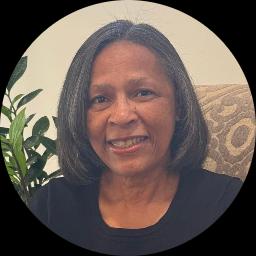
Sheet 1
- Anxiety management
- Career transitions
- CBT and solution-focused
About Glenda
Glenda Johnson is a Licensed Clinical Mental Health Counselor (LCMHC) in North Carolina with four years of experience helping people through transitions and stressful periods. She focuses on anxiety, stress, relationship concerns, parenting strain, self-esteem, and career questions. Glenda works with adults who want concrete strategies to manage daily overwhelm and move through change.
She commonly supports women dealing with persistent worry and the pressures of balancing multiple roles. Sessions include practical coping skills and steps to reduce anxiety symptoms so people can feel more grounded and in control. For career concerns she helps professionals clarify next steps, manage workplace stress, and consider career changes with more confidence.
Glenda uses Client-Centered Therapy to listen closely and shape sessions around each person's values and identity. She also draws on Cognitive Behavioral Therapy (CBT) to identify thought and behavior patterns that keep stress and anxiety active. Solution-Focused Therapy is used to set short-term goals and build on what already works.
Her work often addresses communication problems, divorce and separation issues, forgiveness, life purpose, money and financial concerns, and self-love. She aims to help clients build small, manageable changes that improve day-to-day functioning. Sessions are collaborative and practical, focusing on clear next steps and measurable progress.
People who contact Glenda usually want straightforward strategies rather than long, theoretical discussions. She asks about background, values, and practical limits up front so the plan fits the client’s life. To begin, clients complete a short matching questionnaire and schedule a first session.
Sheet 2
Therapeutic approaches and online session information
Client-Centered Therapy focuses on the person’s values and experiences. The therapist listens and follows the client’s priorities, helping them name what matters and make decisions that fit their life.Cognitive Behavioral Therapy (CBT) looks at thinking and behavior patterns that maintain anxiety and stress. It uses practical exercises and homework to replace unhelpful thoughts with approaches that reduce worry and improve mood.
Solution-Focused Therapy narrows attention to small, achievable steps. It helps set short-term goals and build on what already works, which is useful for stress, career decisions, and relationship concerns.
Finding the right mix of these approaches is part of the work. The therapist collaborates with each person to decide which methods match their goals, needs, and preferences. Plans can change as progress is tracked and priorities shift.
The biography does not specify which session formats are offered, so confirm the available options before booking. Online sessions can make it easier to fit therapy into a busy schedule, reduce travel time, and allow shorter check-ins when needed. Therapists in general can adapt techniques like CBT exercises and solution-focused steps to remote formats so work continues between sessions.
Sheet 3
Areas of expertise
Primary focus
Also works with
Additional focus areas
Therapeutic approaches
Experience
4+ years
Listed in
North Carolina
Languages
English
Sheet 4
Frequently asked questions
What concerns does she help with?
She works with stress, anxiety, relationship issues, parenting strain, self-esteem, coping with life changes, and career questions. Additional focus areas include communication problems, divorce and separation, forgiveness, life purpose, money and financial issues, and self-love.
What therapy approaches does she use?
She uses Client-Centered Therapy, Cognitive Behavioral Therapy (CBT), and Solution-Focused Therapy. These are used to listen, identify unhelpful thoughts and behaviors, and set short-term goals.
How much experience does she have?
She has four years of clinical experience as a Licensed Clinical Mental Health Counselor. That experience is focused on anxiety, stress, relationships, and career-related concerns.
Where is she licensed and based?
She holds an NC LCMHC credential and practices in North Carolina. Location details beyond the state are not provided here.
Which languages are supported?
Sessions are offered in English. International clients are not currently accepted.
What session formats are available?
The original biography does not list specific session formats. Please confirm current session options before booking.
How are sessions paid for?
Sessions use a subscription that can be canceled at any time. Exact costs vary with location.
How do I begin working with her?
Start by selecting the See online therapy options button, complete a short matching questionnaire, and schedule a first session. That questionnaire helps match you and set initial goals.
Online talk therapy is not emergency care. If you are in danger, use the urgent help numbers.