Sheet 1
- CBT techniques
- ACT principles
- Gottman method elements
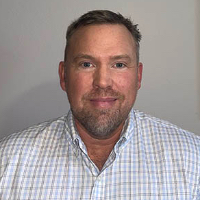
About Geoffrey
Licensed Marriage and Family Therapist (LMFT) in South Dakota with 11 years of experience, Geoffrey Faustman focuses on stress, anxiety, depression, relationships, and related concerns. He uses a direct, active, and goal-oriented style to help people who feel stuck by anger, shame, addiction, grief, or life changes.
Geoffrey starts by clarifying what someone is trying to achieve, preserve, avoid, and eliminate. That framework helps make sense of how thoughts, choices, and actions interact. Sessions emphasize practical steps and personal strengths rather than open-ended exploration.
He draws on Cognitive Behavioral Therapy (CBT) and Acceptance and Commitment Therapy (ACT) to address fears and unhelpful thinking. He also uses elements of the Gottman Method for relationship concerns and Solution-Focused Therapy for shorter-term goal work. Techniques are chosen to fit each person’s strengths and goals.
Sessions involve concrete skills practice, experiments between appointments, and values-based planning. Geoffrey aims to reduce the need for long-term therapy by helping people reach clear goals and return to everyday life with better tools.
He works with concerns including self-esteem, intimacy-related issues, trauma and abuse, anger, career struggles, and issues affecting men. People who speak English and live in the United States can follow the stated process and next steps to begin work.
Sheet 2
How ACT and CBT Guide Online Work
Acceptance and Commitment Therapy (ACT) focuses on clarifying personal values and taking committed steps toward them while learning to live with difficult thoughts or feelings. It can help with anxiety, depression, and motivation by shifting focus toward meaningful action. Cognitive Behavioral Therapy (CBT) targets unhelpful thinking and behavior patterns through structured exercises, practice, and homework to reduce symptoms and improve coping. The Gottman Method offers practical tools for communication and conflict management useful for relationship concerns.Finding the right approach is part of the process. The therapist will discuss your goals and preferences and collaborate to choose which methods to try. That choice can change over time as progress and obstacles become clearer.
Confirm the available session formats before booking, since formats are not specified here. Online work can make meetings easier to fit into a busy life and support steady practice between sessions. It also allows for shorter check-ins, focused skills work, and using home-based examples during sessions. Licensed professionals use these methods to keep sessions practical and goal-oriented so therapy fits daily responsibilities.
Sheet 3
Areas of expertise
Primary focus
Also works with
Additional focus areas
Therapeutic approaches
Experience
11+ years
Listed in
South Dakota, California
Languages
English
Sheet 4
Frequently asked questions
What kinds of problems does he address?
He helps with stress, anxiety, depression, relationship and intimacy issues, addictions, trauma and abuse, grief, anger, self-esteem, career concerns, and related life changes.
What is his therapeutic style like?
He uses a direct, active, goal-oriented approach that emphasizes practical steps, skills practice, and values-based planning.
How much clinical experience does he have?
He has 11 years of experience working as a clinician in the field.
What are his credentials and where is he based?
He is an LMFT licensed in South Dakota and California and practices from South Dakota.
Which languages are offered for sessions?
Sessions are offered in English.
Can people outside the United States work with him?
International clients are not currently accepted.
How are fees and billing handled?
Cost varies with location, and sessions use a subscription that can be canceled at any time.
What are the first steps to begin working together?
Use the See online therapy options button, complete a short matching questionnaire, and then schedule a first session.
Online talk therapy is not emergency care. If you are in danger, use the urgent help numbers.