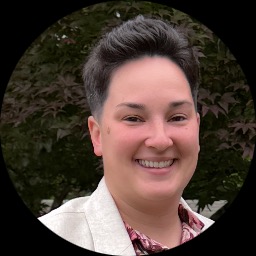
Sheet 1
- Stress and anxiety
- LGBT concerns
- Parenting support
About Emily-Rose
LCSW in North Carolina with 3 years of clinical experience. Emily-Rose Marquis helps people manage stress, anxiety, LGBT concerns, trauma and abuse, and parenting issues. She draws on a long background as a social worker and military service to inform her perspective.
She keeps sessions straightforward. Conversations focus on the problems you bring and the practical steps that can reduce their impact. She pays attention to the wider context of your life and how systems around you affect daily routines and relationships.
Emily-Rose blends listening with actionable suggestions. That can include identifying patterns that increase stress, trying small behavior changes, and practicing ways to handle upsetting thoughts. She aims to make progress in ways that fit into ordinary days.
She uses her social work background to consider both individual needs and external pressures. That means looking at coping skills alongside practical supports and resources. Parents can expect help sorting parenting challenges into manageable pieces.
Sessions are conversational and goal-focused. Emily-Rose works with each person to set short-term goals and track small steps forward. The emphasis is on clear, practical work rather than abstract theory.
Sheet 2
How therapeutic approaches guide online work
This practice draws on evidence-based therapeutic techniques that focus on what people can do differently now. One approach emphasizes identifying stress and anxiety patterns, then introducing small behavioral changes and coping skills to reduce immediate symptoms. It helps when daily routines or overwhelming thoughts get in the way of functioning.A second approach centers on processing trauma and abuse through paced, structured conversations and coping strategies to handle triggers. That work aims to build skills for managing strong reactions and to reduce the ways past events disrupt current life.
Choosing a method is collaborative. The therapist will help figure out which approaches match a person's needs, goals, and preferences. Clients and therapist set goals together and adjust methods if something is not working.
Session formats are not specified in the biography, so confirm current options before booking. Online sessions can make it easier to fit therapy into a busy schedule, allow shorter check-ins when needed, and remove travel time. They can also let people continue work from different locations while keeping appointments consistent.
Sheet 3
Areas of expertise
Primary focus
Experience
3+ years
Listed in
North Carolina
Languages
English
Sheet 4
Frequently asked questions
What kinds of concerns does she address?
She works with stress, anxiety, LGBT-related concerns, trauma and abuse, family conflict issues, and parenting questions.
How would you describe her therapeutic style?
She uses a practical, conversational approach that focuses on current problems and concrete steps to reduce their impact.
How much clinical experience does she have?
She has 3 years of clinical experience as an LCSW and over a decade of prior social work roles.
What are her credentials and where is she based?
She is an LCSW licensed in North Carolina and practices from that state.
Which languages are supported for sessions?
Sessions are offered in English.
Can international clients work with her?
She does not accept international clients at this time.
How are sessions arranged and what about cost?
Cost varies with location; sessions use a subscription that can be canceled at any time.
How do I begin working with her?
Select the See online therapy options button, complete the short matching questionnaire, and schedule a first session.
Online talk therapy is not emergency care. If you are in danger, use the urgent help numbers.