Sheet 1
- CBT techniques
- Trauma-focused work
- Narrative approaches
About Dorothy
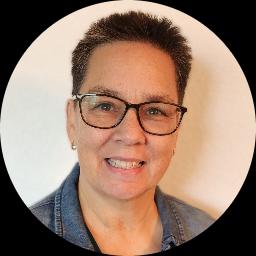
LCSW in Arizona with 26 years of practice, Dorothy Watkins helps people manage stress, anxiety, trauma and grief. She also focuses on LGBT concerns and related challenges. Sessions are conducted in English and reflect her years of clinical work in the state.
Watkins keeps conversation direct and practical. She listens to what is happening now, then looks for small changes that reduce overwhelm. Cognitive behavioral techniques and trauma-focused methods are part of her approach when appropriate. Motivational interviewing and narrative therapy are also used to clarify values and reshape unhelpful stories people tell about themselves.
People meet to talk through immediate problems such as panic, sleeplessness, or intrusive memories. They also address relationship and communication difficulties, caregiver stress, adoption and foster care questions, and loneliness. Grief work focuses on manageable steps and concrete coping strategies rather than abstract theories.
Sessions are paced to the client. Dorothy aims to identify a few concrete goals and then measure progress in ways the client can notice. She uses structured exercises alongside open conversation to tackle patterns that maintain anxiety or low mood.
Her practice emphasizes practical tools and steady progress. Parents and young adults looking for clear steps to reduce stress often find the style useful. To begin, clients follow the site process to match and schedule an initial appointment.
Sheet 2
How her approaches translate to online work
Watkins commonly uses Cognitive Behavioral Therapy and Trauma-Focused Therapy in her practice. CBT focuses on identifying unhelpful thought patterns and testing new behaviors to reduce anxiety and improve daily functioning. Trauma-Focused Therapy targets distressing memories and their impact, using steps that help people manage symptoms and regain control over reactions.She also draws on Motivational Interviewing to help clients clarify what matters to them and find practical reasons to change. Finding the right mix of methods is part of the work together. The therapist will discuss goals, preferences, and what feels most useful, then adjust methods as needed in collaboration with the client.
Confirm the session formats offered before booking, as current options are not listed here. Many people find online sessions make it easier to fit therapy into a busy schedule, allow shorter check-ins when time is limited, or avoid travel time. These practical benefits help people keep regular appointments and apply skills between meetings.
Sheet 3
Areas of expertise
Primary focus
Additional focus areas
Therapeutic approaches
Experience
26+ years
Listed in
Arizona
Languages
English
Sheet 4
Frequently asked questions
What concerns does this therapist address?
She focuses on stress, anxiety, trauma and abuse, grief, and LGBT-related issues, plus topics like adoption and foster care and caregiver stress.
What therapeutic approaches does she use?
Her work includes Cognitive Behavioral Therapy, Motivational Interviewing, Narrative Therapy, Solution-Focused Therapy, and Trauma-Focused Therapy.
How much clinical experience does she have?
She has 26 years of professional experience practicing as a clinician in Arizona.
What are her credentials and location?
She is an LCSW licensed in Arizona and practices in that state.
Which languages are sessions offered in?
Sessions are offered in English.
Can people outside the United States work with her?
International clients are not currently accepted.
How are sessions paid for?
Cost varies by location and sessions use a subscription model that can be canceled at any time.
How do I begin working with this therapist?
Use the See online therapy options button, complete the short matching questionnaire, and schedule a first session through the site process.
Online talk therapy is not emergency care. If you are in danger, use the urgent help numbers.