Sheet 1
- Client-centered methods
- Cognitive behavioral work
- Mindfulness practices
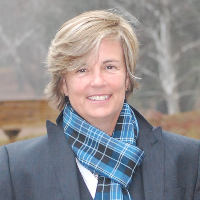
About Donna
Tennessee Licensed Professional Counselor (LPC) with 20 years of experience, Donna Ford focuses on stress, anxiety, addictions, depression, grief, relationship and family concerns, trauma and related issues. She works with people facing low self-esteem, anger, and life changes, and provides approaches drawn from client-centered work, cognitive behavioral techniques, mindfulness, dialectical behavior strategies, motivational interviewing, and solution-focused ideas.
Donna begins by listening to where a person is right now and what they want to change. She uses that information to put practical goals in place and to choose methods that fit each person’s needs. Sessions tend to focus on clear steps and skills people can try between meetings.
Her background covers residential, outpatient, inpatient, and in-home care settings. That range shaped how she helps people manage addictions, process grief, and reduce symptoms of depression and anxiety. Practical coping skills are a common emphasis.
In a typical session Donna blends client-centered conversation with cognitive-behavioral tasks and mindfulness exercises. Dialectical behavior ideas are used when stronger emotion regulation skills are needed. Motivational interviewing helps when someone is weighing change or working through ambivalence.
People who prefer goal-focused work and concrete strategies may find this approach fits well. Donna aims for collaborative planning so clients know the steps they will try and why. To begin, prospective clients complete a short matching questionnaire and then schedule an initial session.
Sheet 2
How Donna Uses Common Approaches in Remote Work
Donna often combines client-centered conversation with cognitive behavioral techniques and dialectical behavior ideas. Client-centered work means the therapist listens first and follows the person’s priorities, helping them set practical goals. Cognitive behavioral techniques focus on identifying thoughts and behaviors that keep problems going and teaching concrete skills to change them. Dialectical behavior therapy offers specific emotion regulation and distress-tolerance skills for when feelings feel overwhelming.Finding the best approach is part of the work together. Donna will help clients weigh which methods match their goals and preferences and will adjust the plan as needed. She frames treatment as a collaborative process with clear steps to try between sessions.
Confirm current session formats before booking since specific online options are not listed in the biography. Online work can make it easier to fit sessions into busy days, allow shorter check-ins when needed, and avoid travel time. It can also let people use mindfulness exercises and behavioral practice in real-life settings between meetings. If you prefer a particular session arrangement, confirm those options when you schedule.
Sheet 3
Areas of expertise
Primary focus
Also works with
Therapeutic approaches
Experience
20+ years
Listed in
Tennessee
Languages
English
Sheet 4
Frequently asked questions
What concerns does she address?
She focuses on stress, anxiety, addictions, anger, self-esteem, depression, grief, trauma and relationship and family concerns.
What therapeutic style does she use?
Her style is client-centered and collaborative, using practical goal-setting and skills practice in sessions.
How much experience does she have?
She has 20 years of experience in the mental health field, including work in residential, outpatient, inpatient, and in-home settings.
What are her credentials and where is she based?
She is a Licensed Professional Counselor (LPC) in Tennessee.
Which languages are supported?
Sessions are offered in English.
Can international clients work with her?
She does not accept international clients at this time.
How are sessions arranged and what do they cost?
Cost varies by location and sessions use a subscription that can be canceled at any time.
How do I begin working with her?
Select the See online therapy options button, complete a short matching questionnaire, and schedule a first session.
Online talk therapy is not emergency care. If you are in danger, use the urgent help numbers.